Predicting Inclusion Defects Using Advanced Simulation Tools
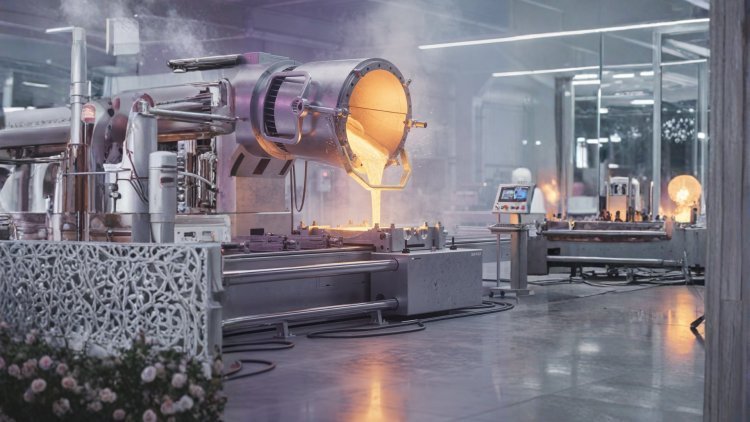
In modern foundry and manufacturing processes, inclusion defects remain one of the most persistent challenges 4 silently compromising the structural integrity, surface quality, and performance of cast components. At Poligoncast, we leverage advanced simulation tools to predict, analyze, and eliminate these defects before a single pour is made.
Casting Quality Control
What Are Inclusion Defects?
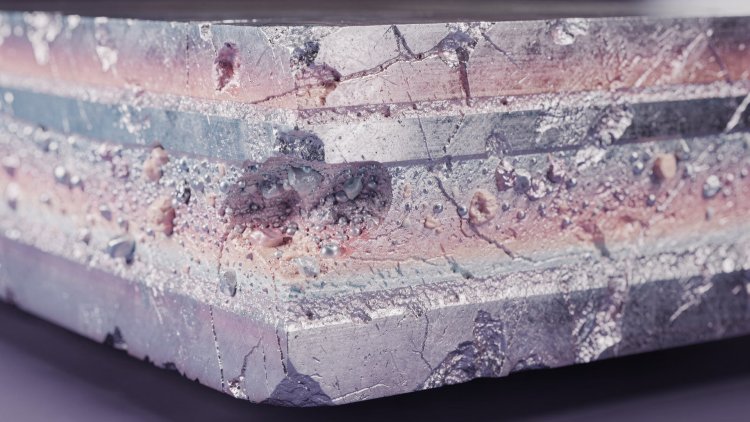
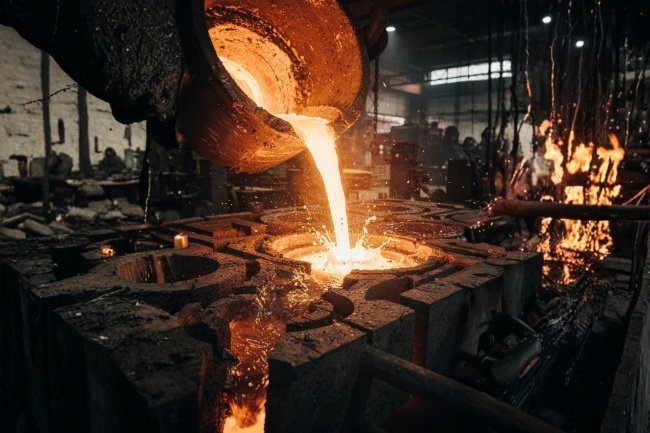
Inclusion defects occur when foreign particles — such as oxides, slag, sand, or refractory materials — become entrapped within solidifying metal during the casting process. These contaminants compromise structural integrity, surface quality, machinability, and long-term component performance.
01
Mold & Core Materials
Sand particles, binders, or core material fragments may dislodge during mold filling and become trapped within the molten metal.
02
Oxidation
Molten metal reacting with atmospheric oxygen during pouring can form oxide films and non-metallic inclusions.
03
Slag Entrapment
Slag originating from furnaces or ladles can be carried into the mold cavity and trapped during solidification.
Foundry Quality Risks
Why Inclusions Are a Critical Concern
Inclusion defects impact far more than cosmetic quality. They compromise structural performance, increase production waste, and create significant operational and financial risks across the casting lifecycle.
01
Structural Weakness
Inclusions act as stress concentrators, reducing fatigue life, fracture resistance, and load-bearing capability of cast components.
02
Surface Defects
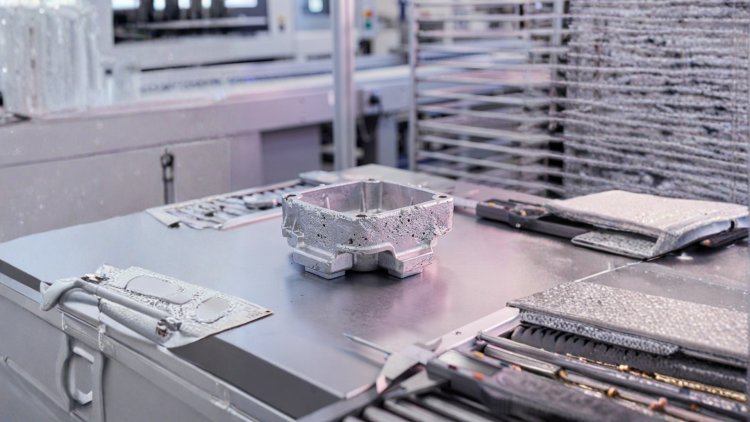
Inclusion contamination can cause pitting, porosity, and poor surface finish, leading to costly rework and scrap generation.
03
Production Losses
Undetected inclusions can trigger field failures, warranty claims, production downtime, and damaged customer relationships.
Core Technology
How Advanced Simulation Predicts Inclusions
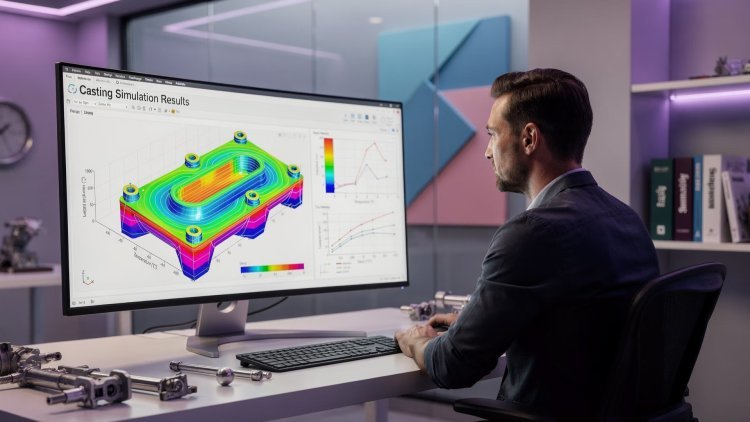
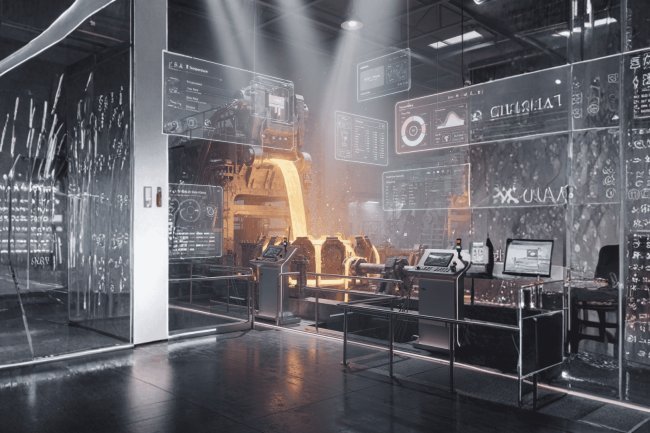
Modern casting simulation software models the complete filling and solidification process, enabling engineers to visualize exactly where and how inclusions form before a single physical trial is conducted.
01
Design Optimization
Simulation enables iterative improvement of casting design, allowing engineers to refine gating, risers, and flow paths to minimize inclusion formation risk.
02
Mold Filling Tracking
Advanced flow simulation tracks molten metal movement, turbulence, and air entrapment to pinpoint where inclusions are most likely to originate.
03
Geometry Setup
Accurate digital geometry setup ensures real-world replication of casting conditions, including thermal gradients and particle behavior during solidification.
By digitally replicating turbulent flow, temperature gradients, and particle behavior, simulation tools identify high-risk zones — empowering engineers to redesign gating systems and eliminate defects before physical trials.
Simulation Intelligence
Key Simulation Capabilities
Advanced casting simulation tools provide deep insight into melt behavior, inclusion formation, and solidification dynamics—helping engineers eliminate defects before production begins.
01

Flow & Turbulence Analysis
Tracks metal velocity and turbulence to pinpoint where oxide films and slag are likely to be entrapped.
02
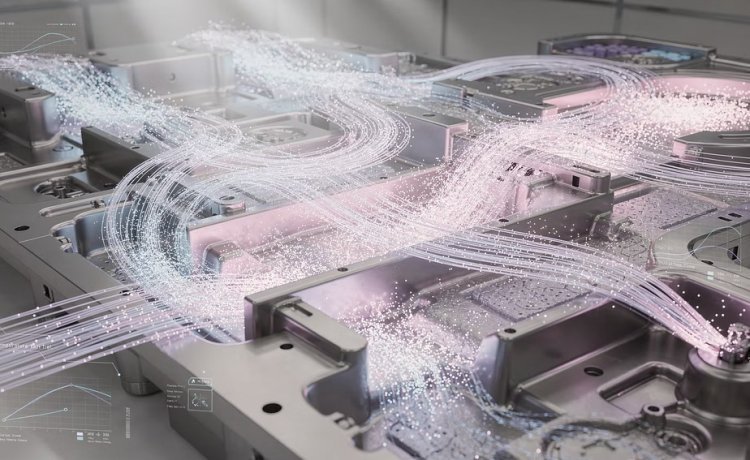
Particle Tracing
Simulates the trajectory of non-metallic particles through the melt to predict final inclusion locations.
03
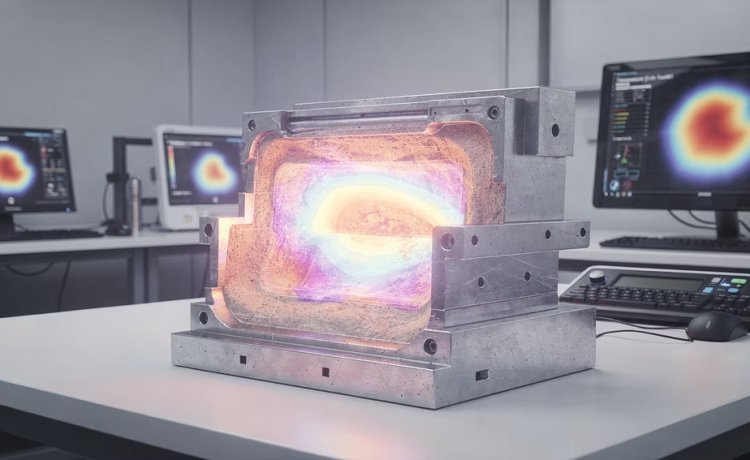
Solidification Mapping
Identifies regions where inclusions become trapped as the metal transitions from liquid to solid state.
Engineering Methodology
The Poligoncast Approach
At Poligoncast, our engineering team integrates simulation-driven design into every stage of the casting development process. Our methodology combines advanced tools, deep expertise, and rapid optimization cycles.
01
Industry-Leading Software
Utilizing best-in-class casting simulation platforms for high-fidelity defect prediction and process optimization.
02
Expert Foundry Knowledge
Decades of hands-on experience interpreting simulation outputs in real-world foundry environments and production conditions.
03
Iterative Optimization
Rapid design cycles that reduce time-to-production and eliminate costly physical trials through continuous simulation refinement.
Manufacturing Advantage
Cleaner Castings. Smarter Manufacturing.
Predicting inclusion defects through advanced simulation is no longer a luxury — it is a competitive necessity. By identifying risks digitally, Poligoncast helps foundries reduce scrap, improve part quality, and accelerate time-to-market with confidence.
01
40%
Scrap Reduction
Typical improvement achieved through simulation-guided gating design.
02
3×
Faster Iterations
Digital trials replace costly physical prototyping cycles.
03
100%
Pre-Pour Insight
Full defect risk assessment completed before any metal is poured.