Solidification Engineering
What Is a Solidification Pathway?
PATH
Liquid-to-Solid Transformation
The Journey That Determines Final Casting Performance
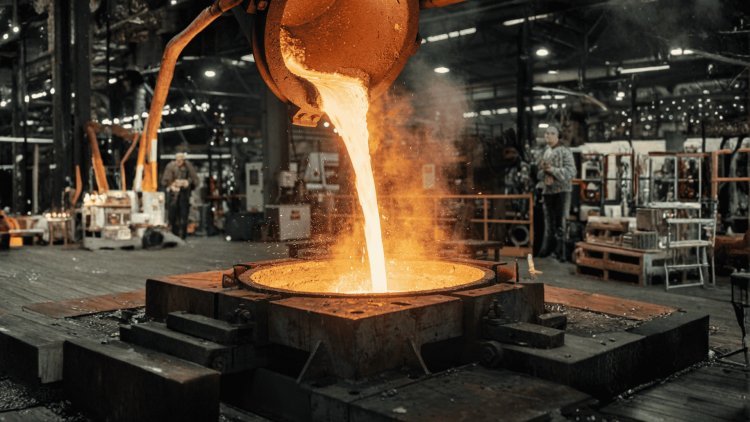
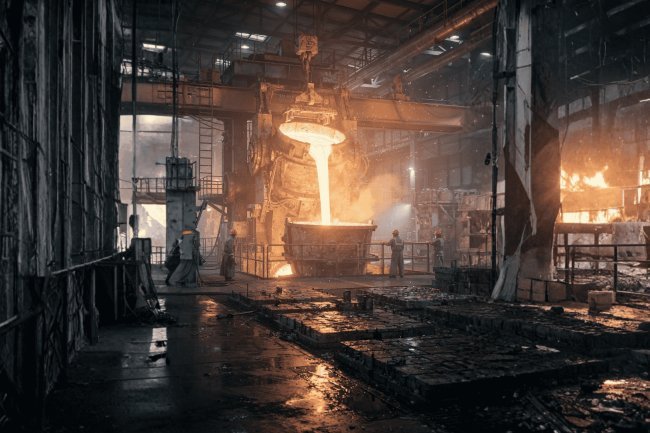
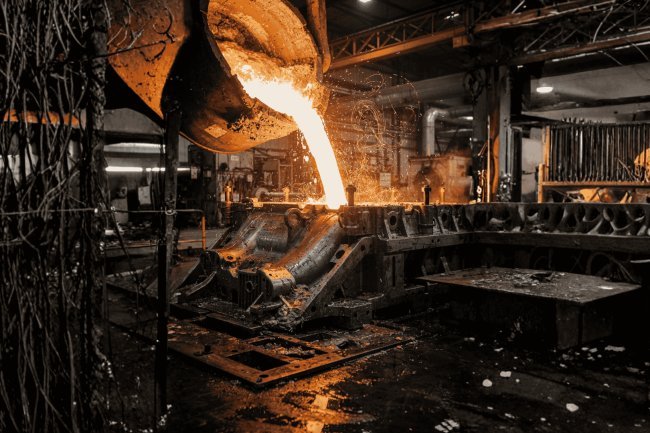
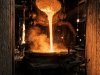
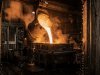
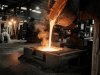
A solidification pathway describes the sequence of phase transformations metal undergoes as it cools from liquid to solid. Understanding and controlling this pathway is fundamental to producing defect-free, high-performance castings.
01
Structure Formation
Grain & Microstructure Development
The solidification pathway determines how grains form and grow, directly influencing the final microstructure of the casting.
02
Defect Distribution
Shrinkage & Porosity Control
The progression of solidification governs where shrinkage cavities and porosity are likely to develop.
03
Dimensional Integrity
Residual Stress Development
Non-uniform cooling and phase transformation patterns create internal stresses that may lead to distortion.
04
Performance Outcome
Mechanical Properties
Strength, ductility, fatigue resistance, and overall casting performance are all influenced by the solidification pathway.
Solidification Mapping
The Role of Simulation in Mapping Solidification
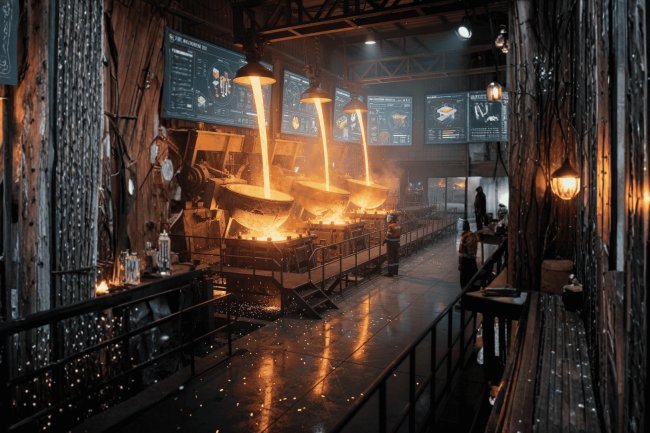
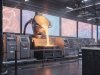
Casting simulation software models heat transfer, fluid flow, and phase change in real time — revealing how solidification fronts progress through a mold cavity.
1
Thermal Analysis
Tracks temperature gradients and cooling rates across the entire casting geometry.
2
Shrinkage Prediction
Identifies hot spots and isolated liquid zones prone to shrinkage porosity.
3
Microstructure Modeling
Predicts grain size and dendrite arm spacing based on local cooling conditions.
Defect Prevention Through Simulation
Key Solidification Defects Simulation Can Prevent
SIM
Predict Before Production
Detect Defects at Their Point of Origin
Each defect type originates at a specific stage of the solidification pathway. Simulation pinpoints when and where defects form, allowing engineers to redesign gating systems, adjust pouring temperatures, or modify mold materials before committing to tooling.
01
Feeding Failure
Shrinkage Porosity
Simulation identifies isolated liquid regions and insufficient feeding paths before internal voids can develop.
02
Thermal Cracking
Hot Tears
Thermal stress analysis reveals critical locations where restricted contraction may generate cracking.
03
Flow Defects
Misruns & Cold Shuts
Virtual filling analysis predicts premature freezing and incomplete cavity filling before production begins.
04
Structural Integrity
Residual Stress & Distortion
Cooling-rate simulations expose stress concentrations and deformation risks before tooling investment.
40%
Early Intervention Value
Reduce Scrap and Tooling Revisions Before They Occur
Early simulation intervention can reduce scrap rates by up to 40% and significantly decrease tooling revision cycles, helping manufacturers move from reactive defect correction to proactive quality engineering.
Process Optimization
Simulation-Driven Process Optimization
1
Define Casting Geometry
Establish the mold and part geometry for simulation.
2
Run Solidification Simulation
Model heat transfer and solidification fronts in real time.
3
Analyze Defect Predictions
Identify porosity, shrinkage, and stress concentration zones.
4
Refine Design & Parameters
Adjust gating, riser placement, and cooling rates for optimal results.
This iterative loop empowers foundry engineers to systematically eliminate defects and converge on optimal process parameters — reducing physical trials and accelerating time‑to‑production.
Why PoligonCast
PoligonCast's Simulation Advantage
PC
Technology + Expertise
More Than Simulation Software
PoligonCast combines advanced simulation technology, validated alloy data, and practical foundry expertise to help manufacturers make faster, more reliable engineering decisions.
01
Materials Intelligence
Advanced Alloy Libraries
Accurate thermophysical data for ferrous and non-ferrous alloys ensures simulation fidelity across all casting processes.
02
Engineering Expertise
Integrated Foundry Expertise
Simulation results are interpreted by experienced engineers who translate data into actionable process improvements.
03
Smart Manufacturing
Digital Manufacturing Integration
Solidification insights feed directly into digital twin workflows, connecting design, simulation, and production seamlessly.
Foundry Excellence
Simulation Is the Future of Foundry Excellence

Understanding solidification pathways through simulation is no longer optional — it is the cornerstone of competitive, quality-driven casting production. By visualizing every stage of solidification, PoligonCast helps manufacturers eliminate guesswork, reduce waste, and deliver superior castings consistently.
Visualize Solidification
Map every stage of solidification to eliminate guesswork.
Reduce Waste
Optimize processes to minimize scrap and costly iterations.
Deliver Superior Castings
Consistently meet demanding specifications with simulation intelligence.
Ready to Optimize?
Partner with PoligonCast and bring simulation intelligence to your foundry floor.