Predicting Hot Tears in Complex Castings Using Advanced Simulation
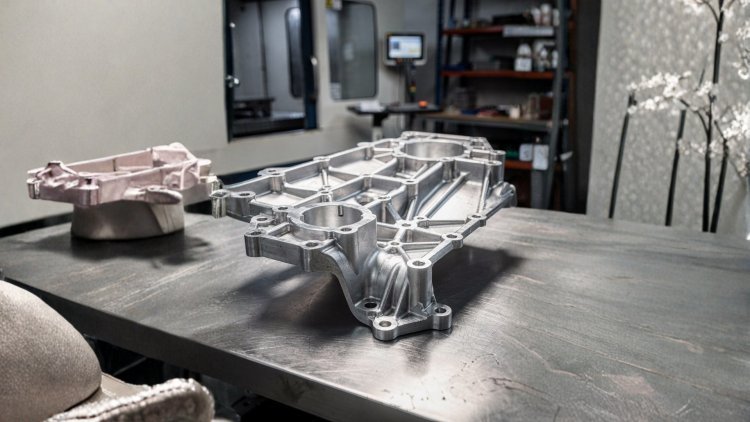
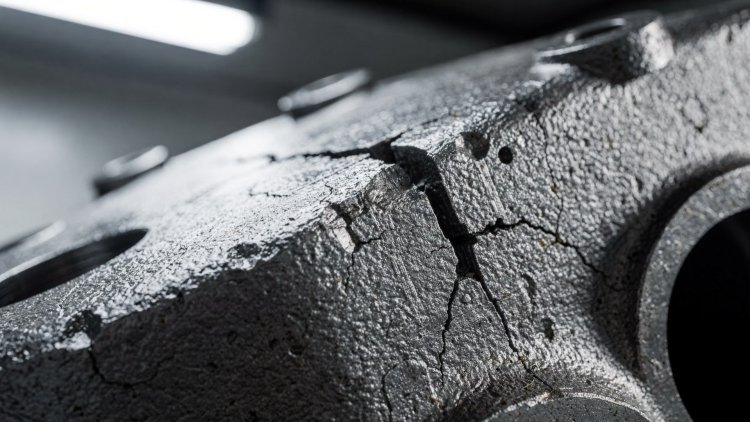
Hot tearing remains one of the most challenging defects in modern foundry operations — costly, unpredictable, and often invisible until it's too late. At PoligonCast, advanced casting simulation is transforming how engineers detect, predict, and eliminate these failures before a single mold is poured.
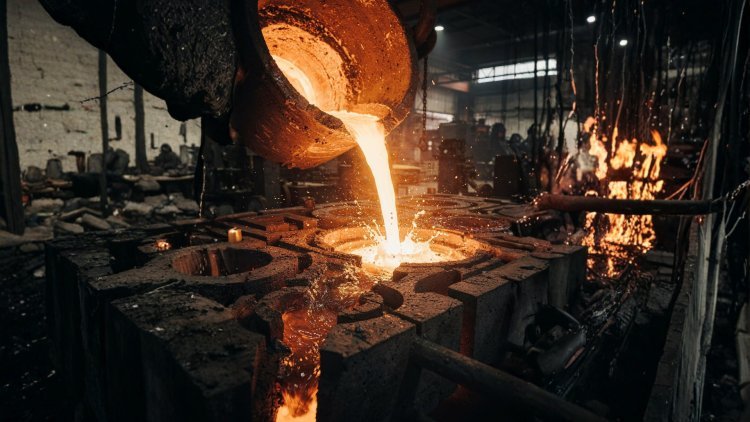
What Are Hot Tears?
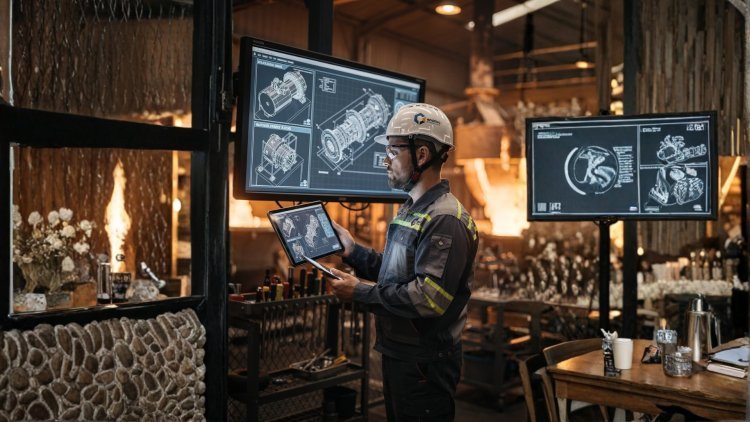
Modern casting simulation software enables foundry engineers to model thermal gradients, stress distributions, and solidification sequences with high fidelity — predicting hot tear risk zones before tooling is ever cut.
The Role of Advanced Simulation
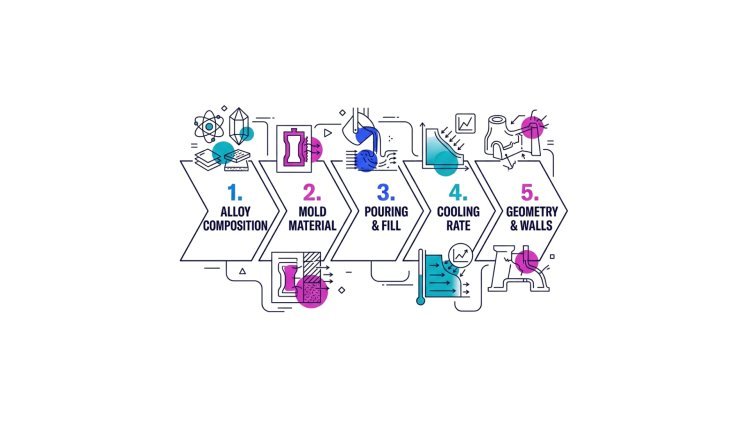
Accurate hot tear prediction depends on precise input parameters. Each variable influences how stress accumulates in the semi-solid state — small changes in alloy composition or mold design can dramatically shift defect risk.
Composition, solidification range, and thermophysical properties determine crack susceptibility.
Geometry, section thickness, and constraints influence thermal contraction behavior.
Heat transfer coefficients and cooling conditions govern stress development.
Simulation accuracy improves significantly when real alloy thermophysical data is used rather than generic database values.
Key Simulation Parameters
Alloy Data
Mold Design
Thermal Conditions
Engineering Insight
Stress concentrations form at abrupt section changes, making these prime hot tear initiation sites.
Differential cooling rates between thick and thin sections create tensile stress in the mushy zone.
Rigid mold features that resist natural contraction dramatically increase tearing susceptibility.
Complex Geometries: The Highest Risk
Sharp Corners & Junctions
Varying Wall Thickness
Mold Restraint
This iterative process eliminates hot tear risk before physical trials, reducing scrap rates and accelerating time-to-production.
Fewer defective castings through predictive redesign.
Fewer physical trials needed before production approval.
Lower tooling rework and warranty costs for clients.
PoligonCast's Simulation-Driven Approach
Geometry Review
Simulation Modeling
Defect Prediction
Design Optimization
Proven Outcomes
Reduced Scrap
Faster Development
Cost Savings
Hot tears don't have to be an accepted risk. With advanced simulation, PoligonCast empowers foundries to engineer confidence into every pour — transforming complex casting challenges into competitive advantages.
Identify hot tear risk zones digitally.
Redesign geometry and process parameters.
Cast with confidence and zero surprises.
From predictive defect identification to optimized production-ready designs, PoligonCast transforms simulation insights into measurable manufacturing performance.
Simulation Is the Future of
Defect-Free CastingPredict
Optimize
Produce
Engineer Every Pour with Confidence
What's Your Reaction?