Metallurgical Challenges in High-Strength Cast Components
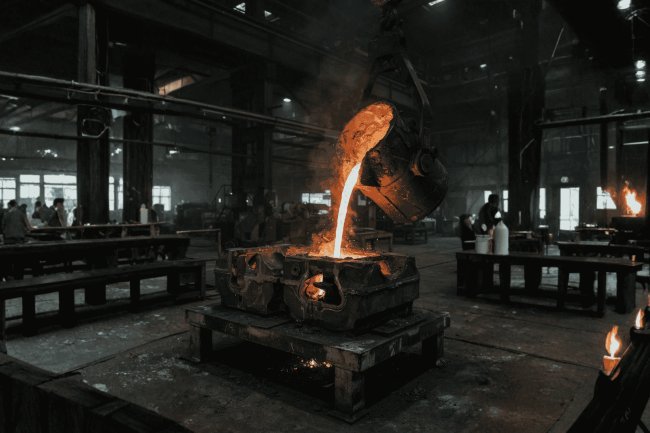
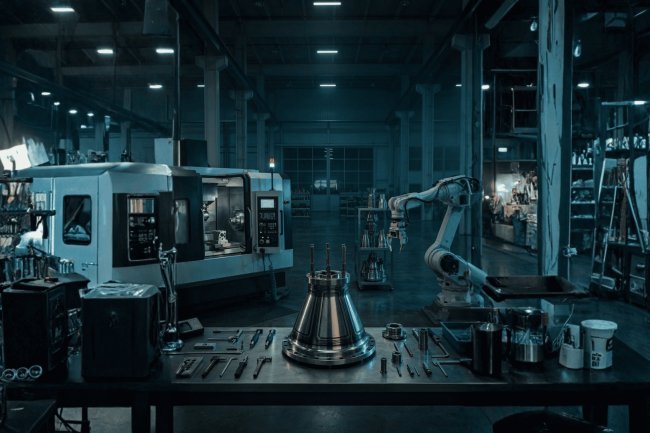
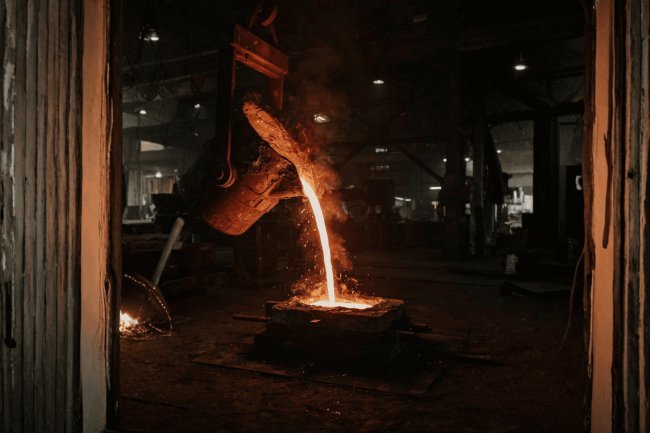
As modern industries demand lighter, stronger, and more complex parts, foundries face mounting metallurgical challenges in producing highstrength cast components. From aerospace to automotive, the integrity of castings directly impacts performance, safety, and cost — making advanced simulation and engineering expertise more critical than ever.
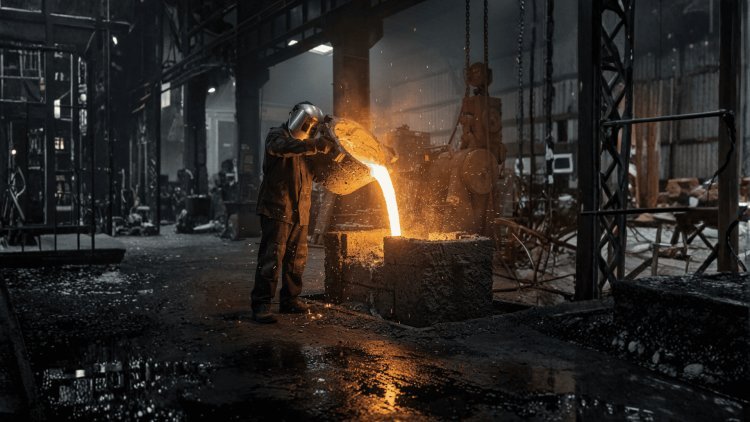
The Core Metallurgical Challenges
Casting Integrity
Three critical metallurgical challenges influence quality, reliability, and service life.
Porosity & Shrinkage
Gas entrapment and solidification shrinkage produce internal voids that reduce structural integrity, fatigue life, and overall component performance.
Hot Tearing
Thermal stresses that develop during the final stages of solidification can create cracks before the casting fully solidifies.
Residual Stress
Non-uniform cooling generates internal stresses that can cause distortion, dimensional instability, cracking, or premature failure.
Impact on Casting Performance
Control alloying elements and trace additions to define the base microstructure.
Tune cooling curves to shape grain size and phase formation.
Adjust thermal cycles to reach the desired strength and toughness.
Alloy Selection & Microstructure Control
Chemical Composition
Solidification Rate
Heat Treatment
Understanding the complex thermal and mechanical interactions during casting is critical for quality. By simulating the entire process, engineers can visualize the invisible, ensuring structural integrity and performance excellence.
Refine gating and riser designs to maximize yield and ensure consistent material flow.
Identify potential porosity, shrinkage, and hot tears before they occur in the physical mold.
Track temperature gradients and cooling rates to control grain structure and properties.
Evaluate complex mold geometries and core placements for optimal casting feasibility.
Solidification Simulation: The Engineering Advantage
Mastering the Physics of Solidification
Precision in Every Pour
Process Optimization
Defect Prediction
Thermal Analysis
Geometry Setup
Controls molten metal velocity, filling patterns, and turbulence levels to reduce oxide formation, air entrainment, and inclusion defects.
Ensures sufficient feed metal reaches critical regions during solidification, compensating for shrinkage and improving casting soundness.
Proper mold preheating reduces thermal shock, stabilizes heat transfer, and promotes controlled directional solidification.
Gating design, riser placement, and mold temperature are tightly interconnected. Optimizing these variables together improves feeding performance, reduces shrinkage defects, minimizes inclusions, and delivers the high-strength castings required for demanding industrial applications.
Mold Design & Process Parameters
Gating System Design
Riser Placement
Mold Temperature
Process Control → Casting Quality
Small Process Changes Create Major Quality Differences
Detects internal porosity, shrinkage cavities, and inclusions without damaging the part.
Identifies subsurface cracks and delaminations in thick-section castings.
Validates grain structure, phase morphology, and heat treatment response at the microstructural level.
Quality Assurance & Non-Destructive Testing
Radiographic Testing
Ultrasonic Testing
Metallographic Analysis
At PoligonCast, we integrate advanced casting simulation, foundry engineering expertise, and digital manufacturing solutions to help clients overcome metallurgical challenges at every stage — from alloy selection to final inspection.
Predict and eliminate defects before production begins through rigorous digital modeling.
Fine-tune parameters for consistent, high-quality output and improved foundry efficiency.
Seamless integration of data-driven tools across the entire foundry workflow.
PoligonCast: Engineering Confidence Into Every Casting
Bridging Simulation and Production
Defect Reduction Potential
Simulation-First Design
Process Optimization
Digital Manufacturing
What's Your Reaction?