Digital Technologies Driving Sustainable Foundry Operations
How the world's oldest metalworking industry is embracing IoT, AI, digital twins, and cloud infrastructure to reduce its environmental footprint and secure a competitive, carbon-neutral future.
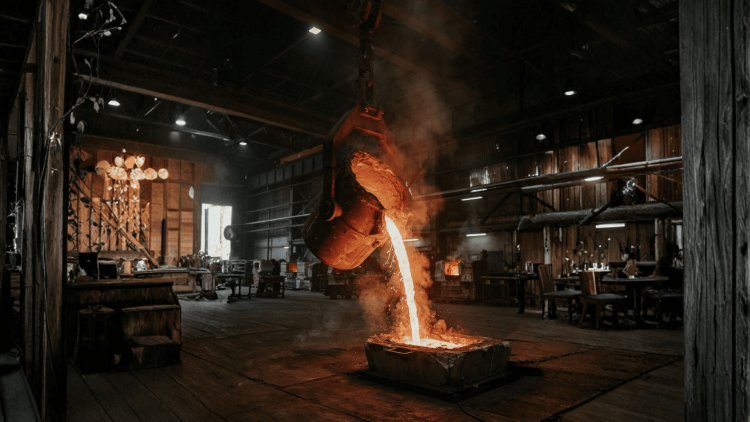
The Traditional Foundry:
A High-Impact Challenge
An essential manufacturing sector supporting automotive, aerospace, defense, infrastructure, and industrial equipment worldwide.
An Industry Built on Heat
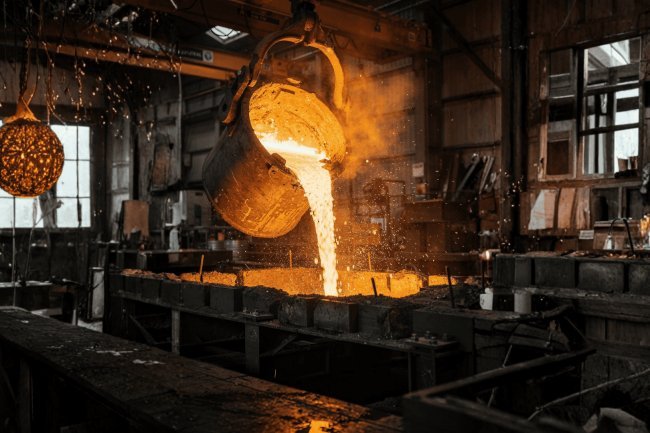
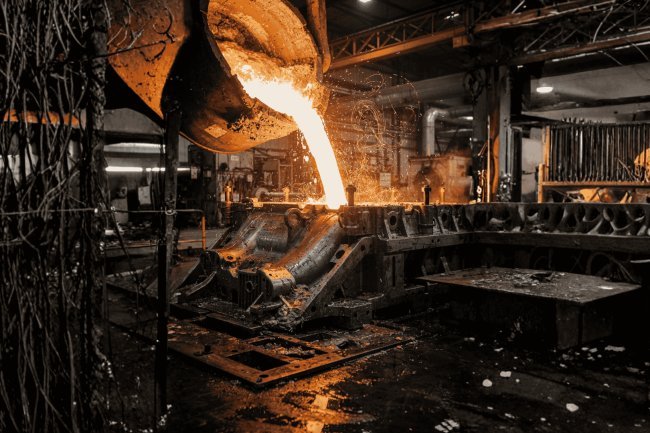
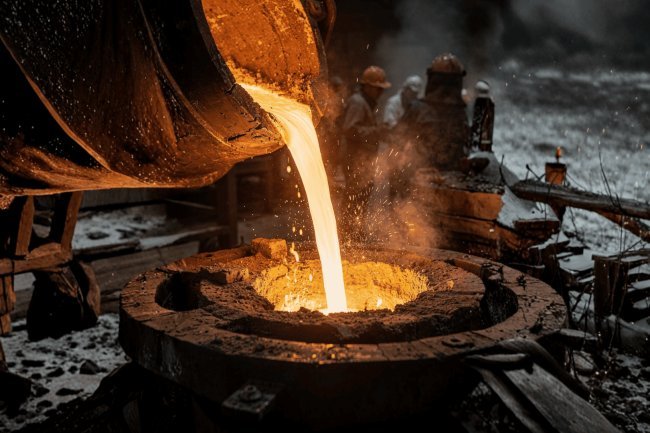
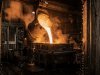
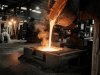
Foundries transform raw metal into complex engineered products through melting, pouring, solidification, and finishing operations. These thermal processes demand enormous energy inputs, making foundries some of the most resource-intensive environments in manufacturing.
Energy-Intensive Processes
Cupola and induction furnaces operate at extreme temperatures, consuming significant thermal and electrical energy throughout production.
Environmental Impact
Spent sand, slag generation, particulate emissions, combustion gases, and logistics-related emissions all contribute to the environmental footprint of traditional foundry operations.
Carbon Pressure
Customers, regulators, and investors increasingly expect measurable carbon reductions, transparent reporting, and verifiable environmental performance throughout the casting supply chain.
Traditional Foundry Impact Areas
The Industry Transformation Journey
Preserving a Legacy While Reducing Its Footprint
Foundries have shaped human progress for nearly eight millennia, but the next chapter will be defined by efficiency, emissions reduction, and resource stewardship. The facilities that successfully modernize their energy systems, reduce waste streams, and demonstrate measurable environmental performance will be best positioned to thrive in the rapidly evolving industrial economy.
Sensors across furnaces, sand mixers, compressors, ventilation, and conveyors stream real-time temperature, pressure, vibration, humidity, and airflow data.
SCADA and HMI systems centralize data, enforce process setpoints, and let operators manage the plant from a single dashboard with precision.
Continuous monitoring of energy, air, water, and furnace parameters catches deviations immediately before they become waste, damage, or defects.
SCADA-driven precision utility control can reduce total energy consumption by up to 20%, replacing guesswork with closed-loop control and continuous feedback.
Connected operations create the data foundation for predictive analytics and AI-driven optimization, making digital visibility the starting point for long-term sustainability.
From Manual to Connected
IoT-Enabled Plant Architecture
SCADA & HMI Integration
Real-Time Visibility
Virtual replicas sync real-world sensor data with simulations, enabling risk-free testing of pouring schedules, alloy mixes, and cooling cycles before shop-floor implementation.
Machine learning platforms identify correlations between process variables and defect outcomes, predicting deviations before they occur.
Automated reclamation systems recover and reuse up to 90% of spent sand, closing the loop on material flows, reducing procurement costs.
From Monitoring to Operational Mastery
Digital Twin Technology
Predictive Analytics & Scrap Reduction
Sand Reclamation at Scale
Connected facilities operating as one intelligent manufacturing system.
Northvolt's giga-scale production strategy demonstrates how cloud-connected factories can unify data from raw material handling, production equipment, quality inspection, and energy infrastructure into a single operational intelligence platform. The result is faster optimization, greater transparency, and enterprise-wide sustainability visibility.
IoT sensors, SCADA systems, automated production cells, and energy infrastructure create a continuous stream of operational intelligence across the factory floor.
Cloud analytics and machine learning models identify inefficiencies, predict failures, optimize energy consumption, and continuously refine manufacturing performance.
Operational intelligence supports renewable integration, emissions reduction strategies, energy efficiency programs, and measurable progress toward science-based sustainability targets.
Automated production modules continuously report operating status, process conditions, quality metrics, and energy consumption to centralized cloud platforms. Machine learning algorithms use this data to uncover optimization opportunities that would otherwise remain hidden within highly complex manufacturing environments.
The evolution toward sustainable manufacturing follows a clear progression: connect assets through industrial IoT, transform raw data into actionable intelligence using cloud analytics and machine learning, then use those insights to actively reduce emissions across the value chain. At enterprise scale, digital infrastructure becomes more than an operational tool—it becomes the foundation of long-term industrial sustainability and competitive advantage.
Scaling the Green Factory
A Blueprint for Sustainable Manufacturing
The Connected Factory Architecture
Connect
Analyze
Decarbonize
Thousands of Assets, One Digital Brain
Connectivity Enables Intelligence.
Intelligence Enables Decarbonization.
Foundries are reaching up to 90% scrap utilization, reducing virgin raw material demand and enabling near-zero-emission metal production with renewable-powered electric arc furnaces.
Low-carbon supply chains are now a procurement requirement in automotive, aerospace, and electronics, turning verified sustainability into premium pricing and preferred supplier status.
AI optimization, machine learning quality prediction, and on-site solar or wind can cut energy use, reduce scrap, and move operations toward carbon neutrality.
The technologies already exist, the business case is clear, and the competitive pressure is rising; the remaining question is how quickly foundries can execute the transition before delay becomes a disadvantage.
The Future: A Circular, Carbon-Neutral Industry
Ultimate Recyclers
Green as Business
AI, ML & Renewables
What's Your Reaction?