Reducing Vehicle Weight Through Optimized Casting Design
In an era defined by fuel efficiency mandates and electric vehicle innovation, lightweighting has become one of the most critical engineering challenges in automotive manufacturing — and advanced casting design is at the forefront of the solution.
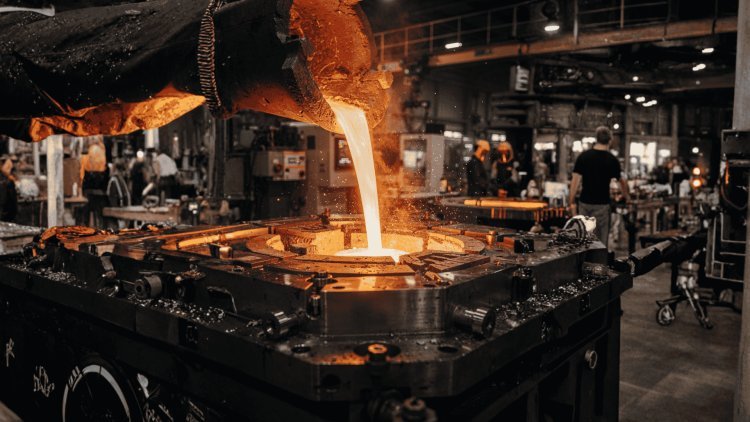
Why Vehicle Weight Matters
Fuel Economy
Lighter vehicles require less energy per kilometer, improving fuel efficiency and reducing operating costs across the vehicle lifecycle.
EV Range
Reduced vehicle mass directly extends battery range, helping electric vehicles travel farther without increasing battery size.
Emissions
Lower vehicle weight contributes to reduced energy consumption and a smaller carbon footprint throughout operation.
The Lightweighting Advantage
Lightweight Design Drives Competitive Advantage
Through advanced casting simulation, lightweight alloy selection, and geometry optimization, manufacturers can remove unnecessary mass while preserving structural integrity. The result is improved fuel economy, longer EV range, lower emissions, and superior vehicle performance across every segment of the automotive industry.
Advanced simulation enables walls as thin as 2mm without sacrificing structural integrity.
Material is placed only where stress demands it, eliminating excess mass.
High-strength aluminum and magnesium alloys deliver superior strength-to-weight ratios.
The Role of Casting in Lightweighting
Thin-Wall Casting
Topology Optimization
Alloy Selection
Casting simulation software allows engineers to virtually test designs before a single mold is cut. This eliminates costly trial-and-error cycles and ensures the final casting meets both weight and performance targets.
Predict shrinkage, porosity, and fill behavior
Validate structural performance under load
Reduce prototyping costs and time-to-market
PoligonCast — Bridging Digital Design and Physical Excellence.
How Simulation Drives Optimized Design
Design Concept
Simulation Analysis
Design Refinement
Validated Casting
Virtual Testing, Real Results
Strategic placement of ribs and gussets replaces bulky solid sections, preserving stiffness and structural performance while significantly reducing mass.
Hollow casting geometries can reduce component weight by up to 30% compared to solid equivalents while maintaining load-bearing capability.
Combining cast metals with advanced composites in a single component creates hybrid structures that deliver strength where needed while minimizing overall system weight. This approach enables superior performance without compromising durability.
Through simulation-driven optimization, engineers can balance strength, manufacturability, and weight reduction simultaneously—creating lighter components that improve efficiency, extend EV range, and reduce overall lifecycle costs.
Key Design Strategies for Weight Reduction
Rib & Gusset Optimization
Hollow Sections
Multi-Material Integration
Lightweight Design Value Chain
Virtual validation before tooling investment.
Design for Manufacturability built into every project.
End-to-end digital thread from design to production.
PoligonCast's Engineering Advantage
Casting Simulation
DFM Expertise
Digital Manufacturing
Catch design flaws before they become costly tooling changes in the physical world.
Iterate designs digitally to find the lightest viable geometry for every component.
PoligonCast brings simulation, engineering, and manufacturing together for your success.
The Future Is Lighter
Simulate Early
Optimize Continuously
Partner with Experts
What's Your Reaction?