Multi-Scale Modeling: From Macro Cast Geometry to Microstructure Evolution
In modern foundry engineering, understanding how a casting behaves — from its outer geometry down to its grain-level microstructure — is the difference between a defective part and a high-performance component. Multi-scale modeling bridges that gap, and PoligonCast is at the forefront.

What Is Multi-Scale Modeling?
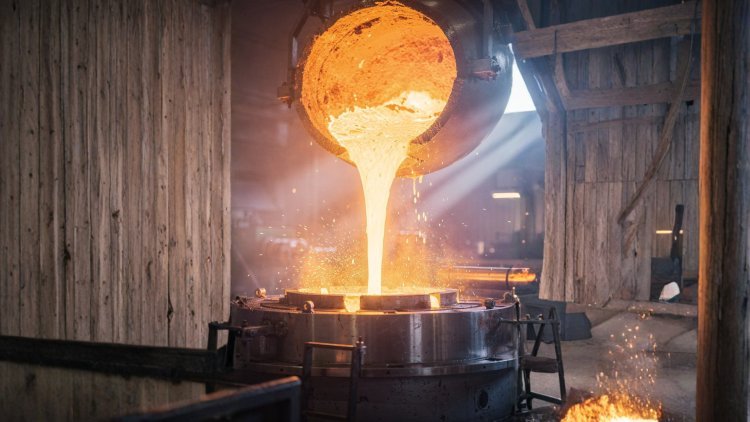
Multi-scale modeling connects casting behavior across multiple physical scales, revealing how process conditions influence final material performance from geometry to microstructure.
Macro Scale
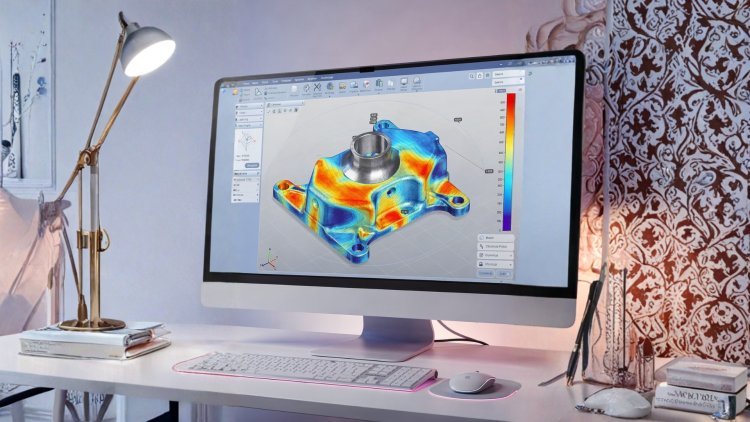
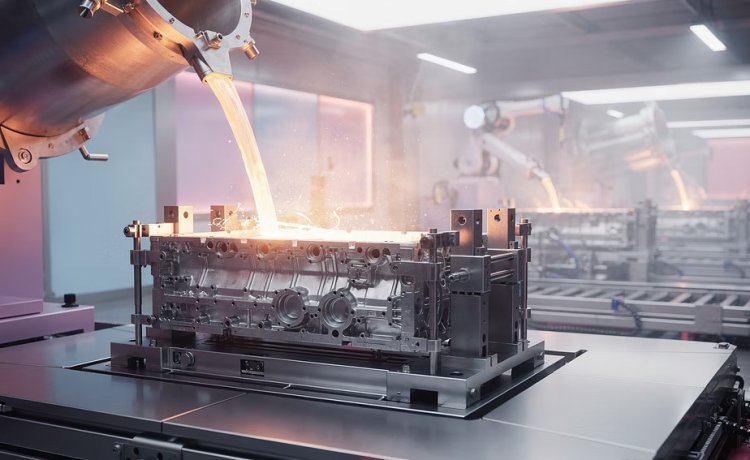
Simulates overall casting geometry, mold filling behavior, thermal distribution, and solidification patterns throughout the entire component.
Micro Scale
Predicts grain growth, phase transformations, and microstructural evolution driven by local thermal and metallurgical conditions.
Why It Matters
Rather than treating a casting as a single uniform body, multi-scale modeling captures how local conditions — temperature gradients, cooling rates, and alloy composition — influence microstructural outcomes and ultimately determine final casting performance.
The Macro Scale: Geometry & Process Simulation
At the macro scale, simulation focuses on the entire casting system — capturing fluid flow, heat transfer, and solidification behavior to predict defects and optimize process performance before production begins.
Mold Filling
Simulating fluid flow to predict misruns, cold shuts, and turbulence-induced defects throughout the casting process.
Thermal Analysis
Mapping heat transfer across the entire casting to identify hot spots, cooling behavior, and shrinkage-prone regions.
Solidification Fronts
Tracking how the solid-liquid interface progresses through the macro geometry as the casting solidifies over time.
Process-Level Insight
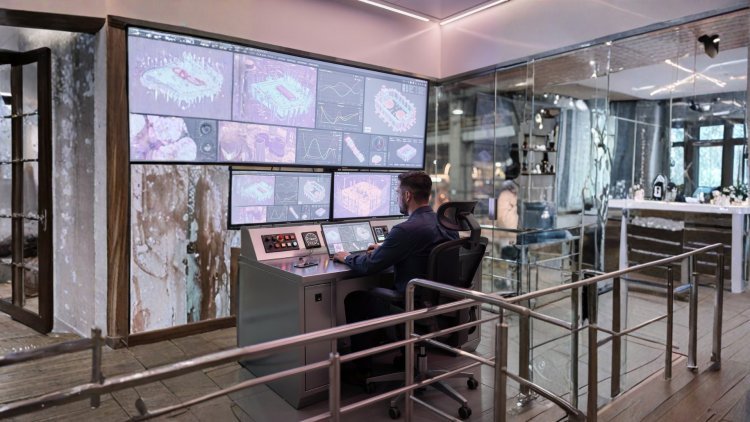
Macro-scale simulations provide engineers with a complete view of casting performance, enabling data-driven decisions before any metal is poured.
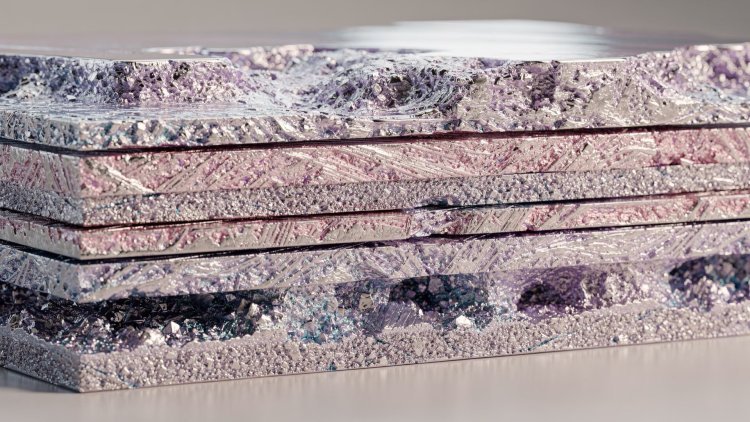
At the microscale, simulation predicts how the alloy's internal structure forms during solidification. Key phenomena include:
Micro-scale simulation reveals how grain structures, phase transformations, and localized defects develop during solidification, providing critical insight into the final mechanical performance of a casting.
The Micro Scale: Microstructure Evolution
Understanding Microstructure Formation
Bridging the Scales: How It Works
The true value of multi-scale modeling emerges when information flows seamlessly between macro-scale process simulations and micro-scale material predictions.
The Coupling Mechanism
The power of multi-scale modeling lies in the coupling mechanism: macro-level thermal and flow data feeds directly into micro-level models. Local temperature histories extracted from the macro simulation drive grain growth algorithms, phase field models, or CALPHAD-based thermodynamic calculations — producing microstructure predictions with engineering-grade accuracy.
Why It Matters for Foundry Engineering
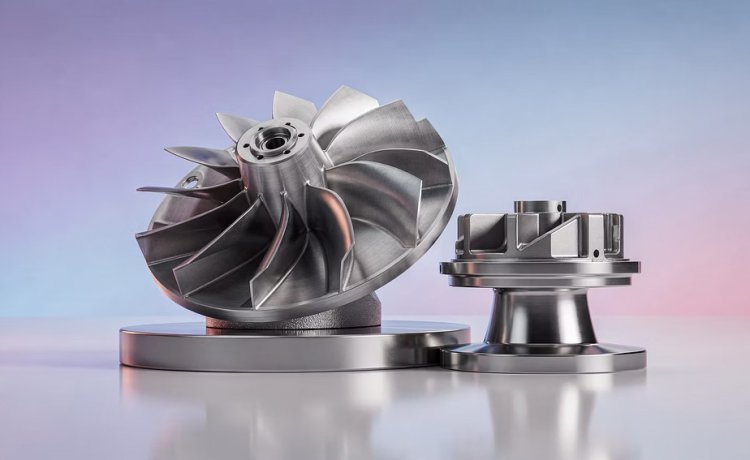
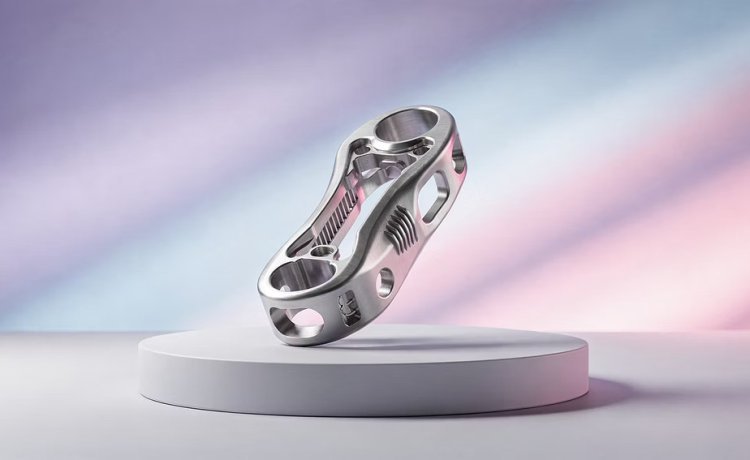
Multi-scale modeling is no longer a research luxury — it is an engineering necessity for competitive foundries. By connecting macro casting geometry to microstructure evolution, PoligonCast empowers manufacturers to design better parts, reduce trial iterations, and deliver consistent quality.
PoligonCast: Precision Across Every Scale
What's Your Reaction?