Simulation-Based Design of Large Steel Castings
In modern foundry engineering, producing large steel castings without defects demands more than experience — it requires precision-driven simulation. PoligonCast leverages advanced casting simulation to optimize design, reduce waste, and deliver quality at scale.
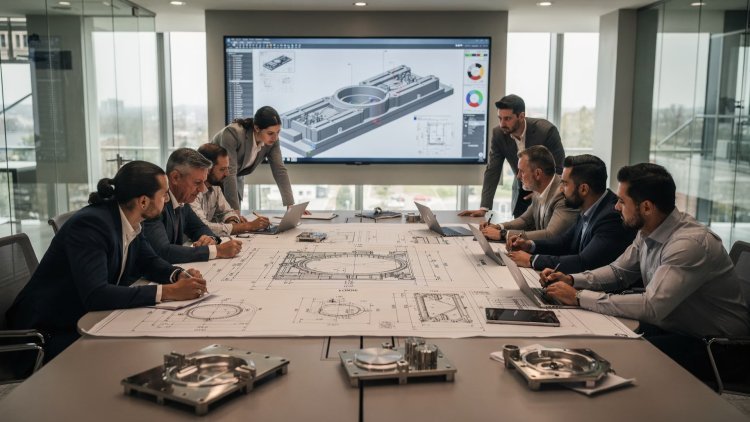
Why Large Steel Castings Are Complex
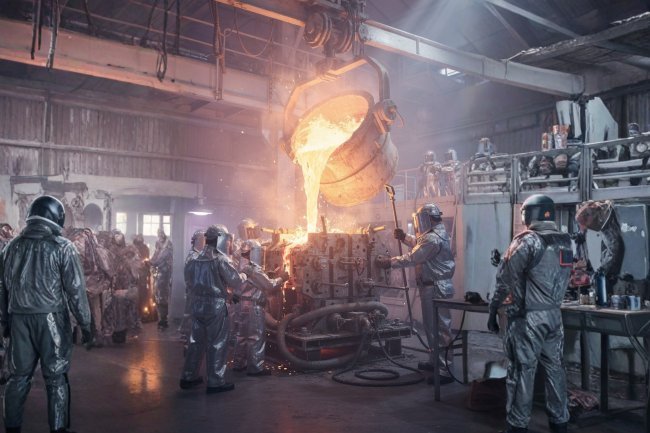
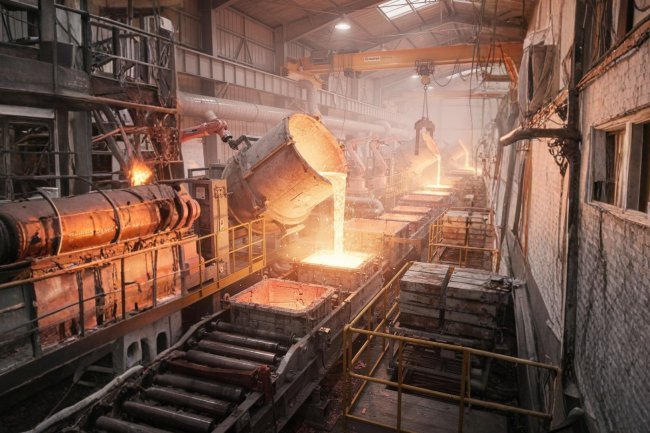
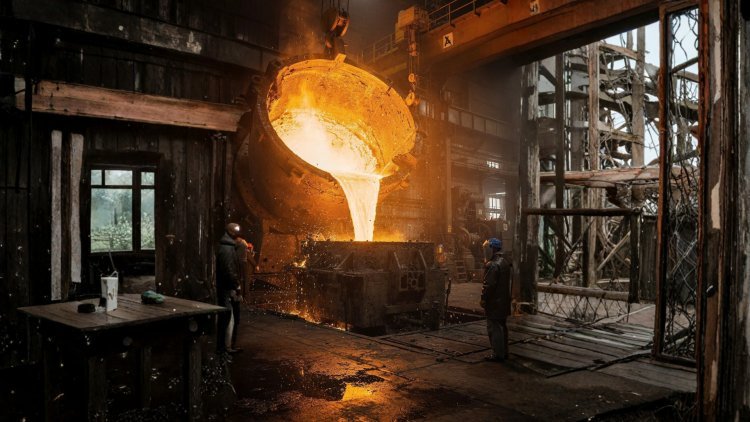
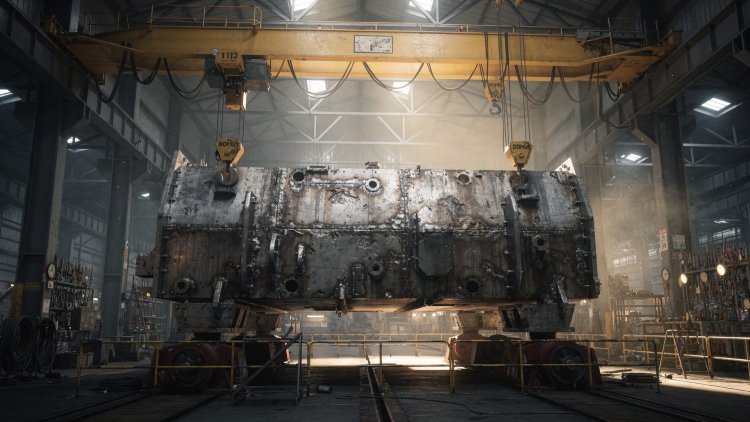
Large steel castings — from turbine housings to structural frames — present unique engineering challenges. Their massive geometry, prolonged cooling cycles, and complex thermal behavior increase the likelihood of defects, making simulation essential for achieving quality, reliability, and production efficiency.
Why Simulation Matters
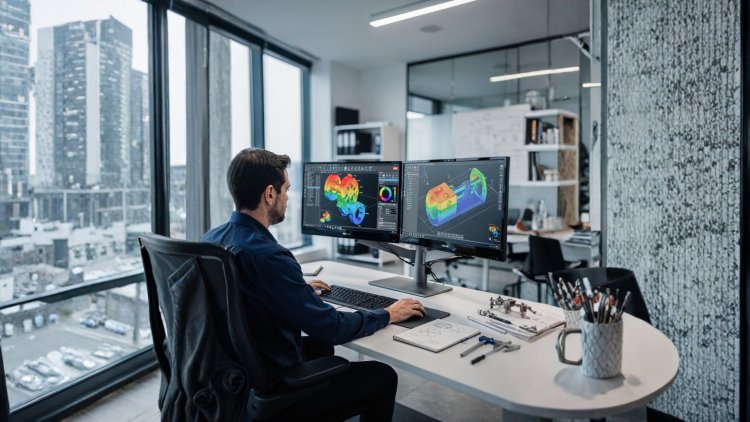
Advanced casting simulation helps engineers predict thermal behavior, eliminate defect-prone regions, and optimize process parameters before production begins — reducing risk in large, high-value steel castings.
Simulation transforms the design process by predicting failure before metal is ever poured. PoligonCast uses industry-leading tools to model every critical phase, enabling engineers to identify risks early, optimize designs, and improve casting quality before production begins.
Predict turbulence, air entrapment, and cold shuts during pour.
Map thermal gradients to identify hot spots and shrinkage zones.
Evaluate residual stress and distortion before tooling is built.
By simulating mold filling, solidification behavior, and residual stresses digitally, foundries can eliminate costly trial-and-error processes and move into production with greater confidence.
The Role of Casting
SimulationMold Filling
Solidification
Stress Analysis
Predict Before You Produce
PoligonCast's iterative simulation workflow eliminates costly physical trials. Each design cycle refines gating systems, riser placement, and cooling channels — converging on an optimized solution before any foundry resources are committed.
Simulation-Driven Design Workflow
From Concept to Production
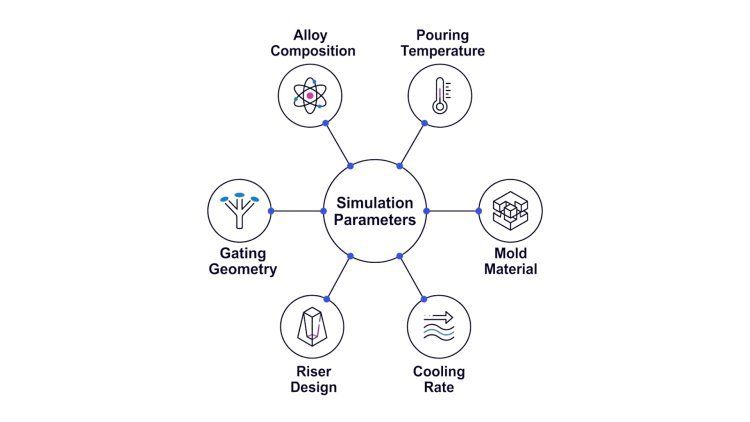
Accurate simulation depends on precise input parameters. PoligonCast engineers calibrate each variable to reflect real foundry conditions, ensuring simulation results translate directly to production outcomes.
Controls fluidity, mold filling behavior, and solidification timing throughout the casting.
Determines thermal properties, shrinkage characteristics, and microstructural evolution.
Heat transfer coefficients and mold materials directly affect cooling rates.
Large section thickness variations influence feeding paths and defect formation.
Even small deviations in pouring temperature or alloy composition can significantly shift solidification behavior in large castings. Accurate parameter calibration ensures simulation predictions remain aligned with real-world foundry performance, minimizing risk and maximizing casting quality.
Key Simulation Parameters
Pouring Temperature
Alloy Composition
Mold Properties
Geometry Scale
Why Calibration Matters
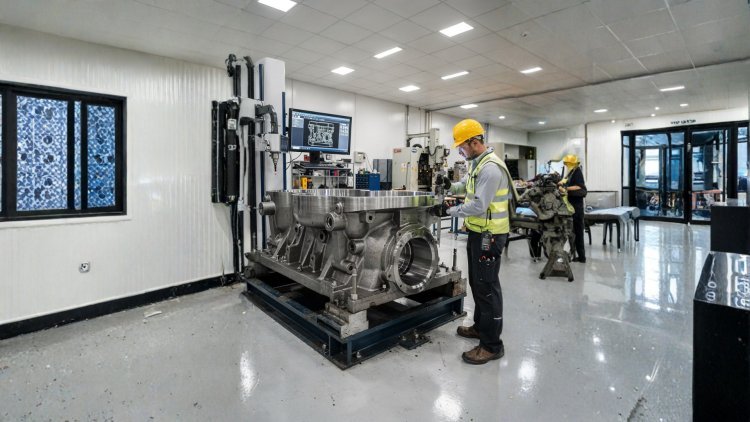
Advanced casting simulation transforms foundry performance by reducing defects, minimizing costly physical trials, and lowering material waste — delivering measurable improvements in quality, efficiency, and profitability.
Measurable Benefits for
FoundriesSimulation Delivers ROI
Industry-leading software for filling, solidification & stress.
Experienced foundry engineers guiding every project phase.
From concept design to validated production-ready castings.
PoligonCast: Your Simulation Partner
Advanced Simulation Tools
Expert Engineering Support
End-to-End Solutions
What's Your Reaction?