Understanding Solidification Cracking Through Simulation Analysis
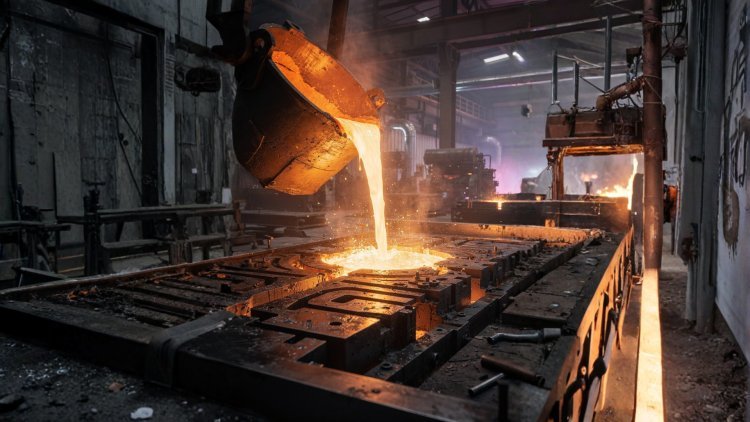
In modern foundry and manufacturing, solidification cracking remains one of the most critical defects threatening casting integrity. At Poligoncast, advanced simulation empowers engineers to predict, analyze, and eliminate these failures before they reach the shop floor.
Casting Defect Analysis
What Is Solidification Cracking?
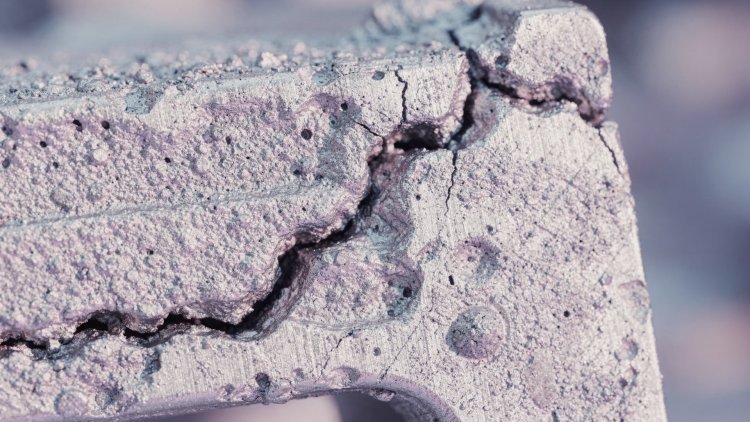
Solidification cracking, also known as hot tearing, occurs when thermal stresses and shrinkage strains exceed the strength of a partially solidified alloy during the final stages of freezing. These cracks can significantly compromise casting integrity and mechanical performance.
01
Hot Tears
Intergranular fractures form within the mushy zone as the alloy transitions from liquid to solid during the final stages of solidification.
02
Shrinkage Stress
Constrained thermal contraction generates tensile stresses that initiate and propagate cracks within partially solidified regions.
03
Vulnerable Alloys
Alloys with wide freezing ranges are particularly susceptible because they remain in the weak mushy state for longer periods.
Digital Engineering Advantage
Why Simulation Is Essential
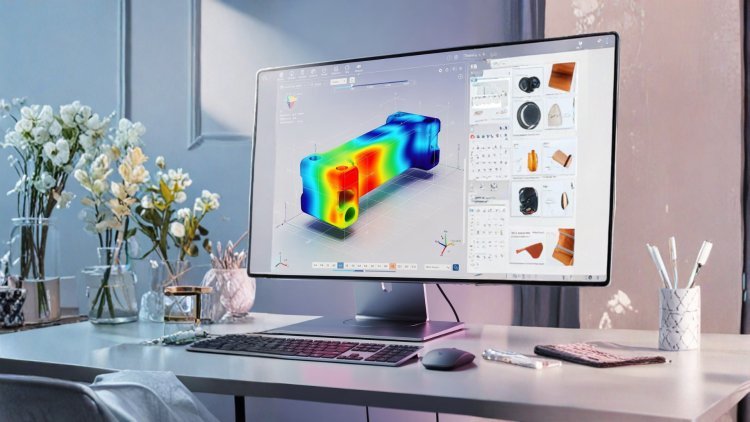
Physical trials are costly and time-consuming. Simulation provides a virtual laboratory where solidification behavior can be studied in detail — without scrapping a single casting. Engineers can evaluate multiple design alternatives, identify risks early, and optimize production outcomes before manufacturing begins.
01
Predict Defects Early
Identify crack-prone regions, thermal hotspots, and solidification risks before tooling is manufactured.
02
Reduce Scrap Rates
Optimize gating, risers, cooling conditions, and process parameters to minimize rejection and waste.
03
Accelerate Development
Compress design-to-production timelines through rapid virtual testing and optimization cycles.
04
Lower Costs
Avoid expensive physical iterations, tooling modifications, production delays, and rework expenses.
Crack Formation Physics
Key Mechanisms Behind Solidification Cracking
Solidification cracking develops through a combination of thermal gradients, shrinkage behavior, and material strength limitations during the final stages of freezing. Understanding these mechanisms enables engineers to predict and prevent hot tearing before production begins.
01
Thermal Gradients
Uneven cooling creates temperature differences that generate internal stresses as different regions contract at varying rates.
02
Mushy Zone Formation
In the semi-solid mushy zone, liquid and solid coexist, creating a vulnerable state where feeding becomes increasingly restricted.
03
Hot Tear Initiation
Cracks form when liquid feeding can no longer compensate for shrinkage strains and the alloy lacks sufficient strength.
Why the Mushy Zone Matters
Understanding the mushy zone — where solid and liquid phases coexist — is fundamental to predicting solidification cracking. Risk peaks when liquid feeding paths become insufficient to compensate for shrinkage, making thermal gradient control and feeding design critical engineering priorities.
Critical Input Variables
Simulation Parameters That Matter
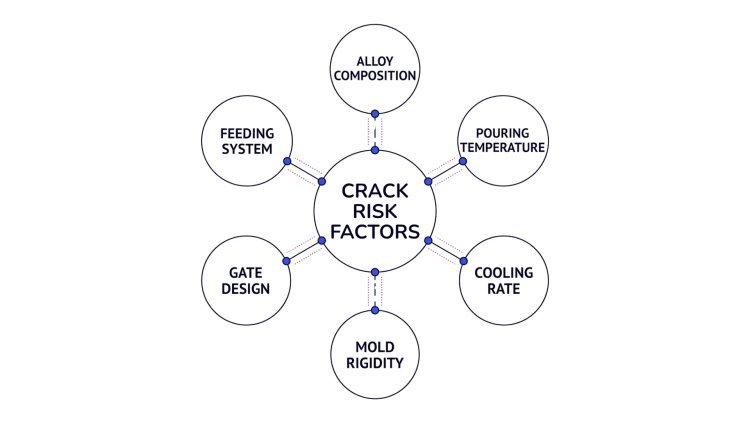
Accurate simulation requires precise input of material and process data. Each parameter directly influences the thermal and mechanical state of the solidifying casting, affecting crack prediction accuracy and overall process optimization.
01
Alloy Composition
The alloy's freezing range strongly influences crack susceptibility, feeding behavior, and mushy zone characteristics during solidification.
02
Thermal Boundary Conditions
Mold materials, cooling conditions, and interface heat-transfer coefficients govern temperature distribution and solidification rates.
03
Mechanical Constraints
Mold rigidity, geometry restrictions, and restraint conditions can amplify residual stress accumulation and crack formation.
Engineering Workflow
How Poligoncast Applies Simulation
Poligoncast integrates state-of-the-art casting simulation software with deep foundry engineering expertise to deliver actionable insights at every stage of the casting development process — from initial design validation to production-ready optimization.
01
Geometry & Material Setup
Import 3D CAD models and apply validated alloy thermophysical properties to establish an accurate simulation foundation.
02
Thermal & Flow Simulation
Analyze mold filling behavior, heat transfer, and solidification sequences to identify potential process risks.
03
Stress & Crack Prediction
Generate hot-tearing index maps and evaluate stress accumulation across the casting geometry.
04
Design Optimization
Refine gating, risering, cooling strategies, and process parameters to eliminate cracking risks before production.
QA
Engineering Excellence
Defect-Free Castings: The Poligoncast Advantage
By combining simulation intelligence with deep foundry expertise, Poligoncast helps manufacturers achieve first-time-right castings — reducing scrap, shortening lead times, and ensuring structural integrity throughout the production lifecycle.
First-Time-Right Quality
Eliminate uncertainty through simulation-driven validation before production begins.
Lower Scrap & Costs
Reduce waste, rework, and costly production iterations through predictive engineering.
Structural Integrity
Ensure reliable casting performance by eliminating crack risks before metal meets mold.
Simulation Makes Prevention Possible
Solidification cracking is preventable. The key is understanding defect formation before metal meets mold — and that's exactly what advanced simulation delivers.
Partner with Poligoncast to bring digital manufacturing precision, simulation-driven optimization, and foundry engineering excellence to your next casting challenge.