Simulating Multi-Material Molds: Challenges in Thermal Compatibility and Interface Behavior
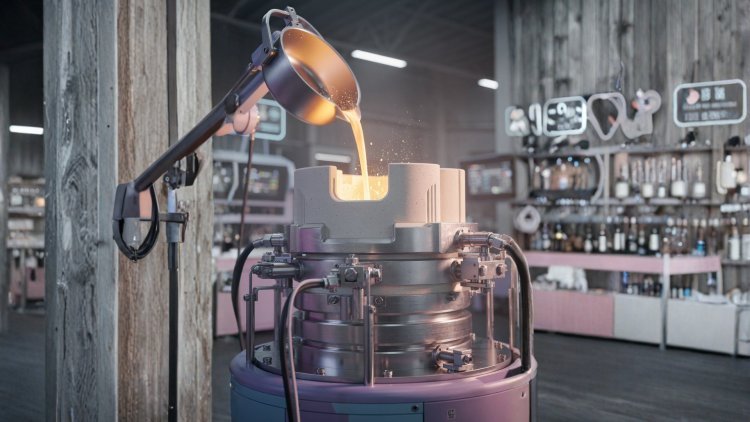
As modern foundries push the boundaries of precision and performance, hybrid mold materials — such as ceramic-metal composites — are redefining what's possible in casting. Understanding how these materials interact thermally and structurally is now a critical frontier in advanced casting simulation.
The Case For Composites
Why Hybrid Mold Materials?
Traditional single-material molds often fall short when casting complex, high-performance components. Ceramic-metal composites combine the thermal stability of ceramics with the mechanical strength of metals, enabling superior dimensional accuracy and surface finish in demanding applications.
01
Ceramics
High heat resistance and low thermal conductivity make ceramics ideal for maintaining stability under extreme casting temperatures.
02
Metals
Structural rigidity and rapid heat dissipation provide the mechanical strength required for demanding production environments.
03
Composites
By combining ceramic thermal stability with metallic strength, composites deliver best-of-both-worlds performance for advanced castings.
Thermal Compatibility
Multi-material molds introduce complex thermal interactions that can significantly affect casting quality, dimensional stability, and mold durability. Understanding these challenges is essential for successful hybrid mold design.
01
Thermal Expansion Mismatch
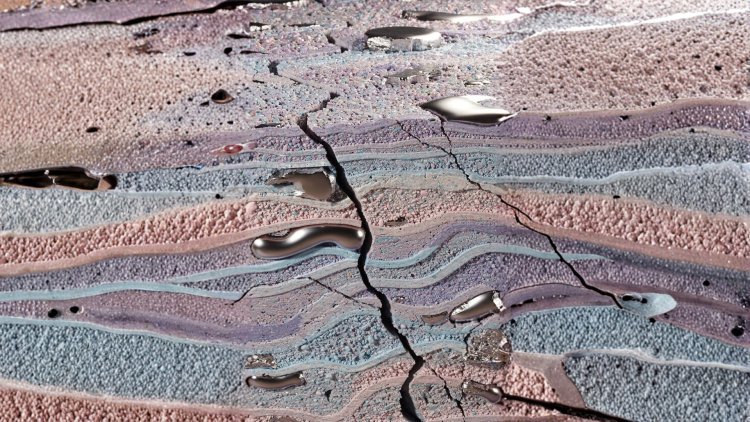
Ceramic and metal zones expand at different rates, generating internal stresses that can cause cracking, distortion, or warping during solidification.
02
Conductivity Gradients
Uneven heat flow across material interfaces creates unpredictable cooling rates that directly influence microstructure and mechanical properties.
03
Cyclic Thermal Fatigue
Repeated heating and cooling cycles accelerate interface degradation, reducing mold lifespan and increasing defect risk over production runs.
Interface Engineering
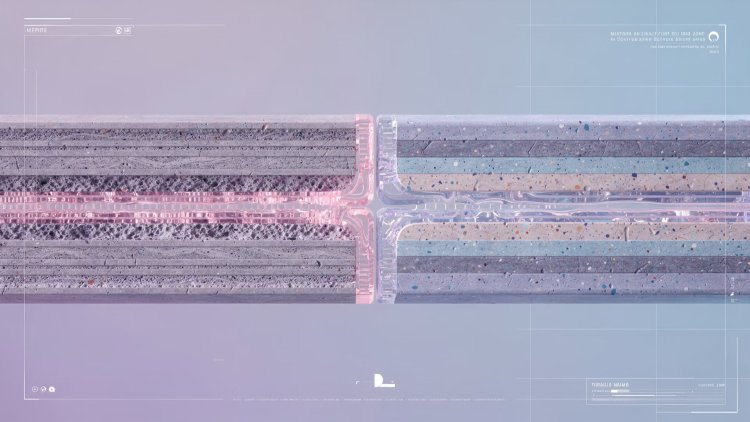
The ceramic-metal interface is the most critical — and least predictable — zone in a hybrid mold. Understanding interface behavior is essential for maintaining thermal performance, structural stability, and long-term mold reliability.
01
Thermal Resistance
Contact resistance at the interface impedes heat transfer, creating localized hot spots that can affect cooling behavior and casting quality.
02
Stress Concentration
Mechanical property discontinuities amplify stress at the boundary layer, increasing the risk of cracking and interface failure.
03
Diffusion & Bonding
At elevated temperatures, material diffusion can alter interface chemistry, bonding characteristics, and long-term structural integrity.
Digital Engineering
Simulation as the Solution
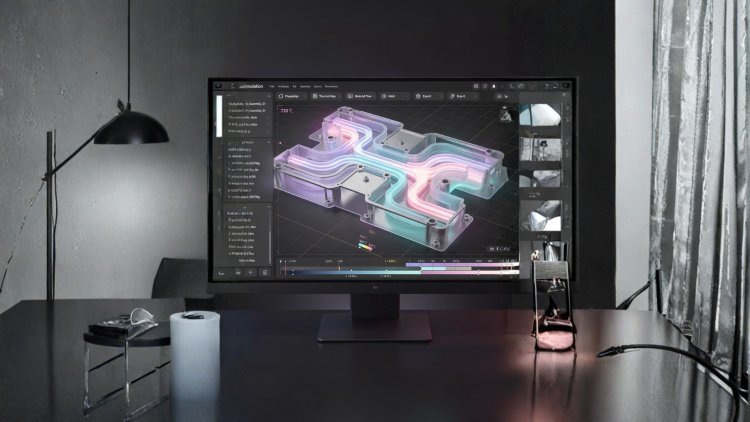
Advanced casting simulation tools allow engineers to model each material zone independently, define interface conditions precisely, and predict thermal and mechanical behavior before a single mold is built — dramatically reducing trial-and-error costs and defect rates.
01
Material Mapping
Models each material zone independently, allowing engineers to accurately represent ceramic, metal, and composite regions within the mold.
02
Thermal Boundaries
Defines interface heat-transfer conditions with precision, enabling accurate prediction of cooling behavior across material transitions.
03
Interface Stress
Predicts stress concentration zones and mechanical interactions at material boundaries before manufacturing begins.
04
Casting Outcome
Forecasts final casting quality, defect risk, dimensional accuracy, and performance outcomes before physical mold production.
Advanced Simulation Methodology
Poligoncast's Approach to Hybrid Mold Simulation
Our simulation-driven workflow combines advanced physics modeling with foundry expertise to accurately predict thermal and structural behavior in complex multi-material mold systems.
01
Coupled Thermal-Structural Analysis
Simultaneously solving heat transfer and mechanical stress fields across material boundaries for accurate, real-world predictions.
02
Interface Condition Modeling
Defining contact resistance, bonding quality, and diffusion effects at ceramic-metal junctions with precision.
03
Iterative Design Optimization
Rapidly testing mold geometry and material configurations digitally to achieve optimal casting outcomes before physical production.
Final Insights
Key Takeaways
Successfully implementing hybrid mold technologies requires a deep understanding of material interactions, interface behavior, and simulation-driven optimization strategies.
01
Hybrid Materials Are the Future
Ceramic-metal composites unlock new performance levels but demand rigorous simulation expertise to achieve reliable manufacturing outcomes.
02
Interface Behavior Is Critical
Thermal resistance, stress concentration, and diffusion at material boundaries are key drivers of casting quality and mold performance.
03
Simulation Reduces Risk
Digital modeling of multi-material molds cuts costs, accelerates design cycles, and improves yield before production begins.
Poligoncast specializes in advanced casting simulation and foundry engineering — helping manufacturers master the complexity of hybrid mold design with precision, confidence, and data-driven decision-making.