Green Foundry Evolution: From Waste to Wealth
How modern foundries are rewriting the rules of manufacturing — transforming environmental liabilities into competitive assets through data, technology, and circular design.
The Anatomy of a High-Pollution Foundry
Energy-Intensive Processes
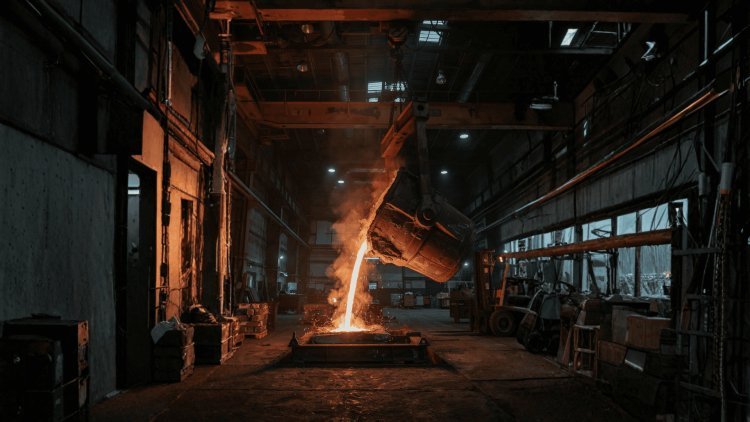
Open-furnace melting, manual charging, and unmanaged tapping cycles drive energy use 30–40% above best-in-class benchmarks.
Environmental Degradation
Dust, silica particulates, and unmanaged wastewater expose workers and communities while increasing contamination and water stress.
The Sand Waste Bottleneck
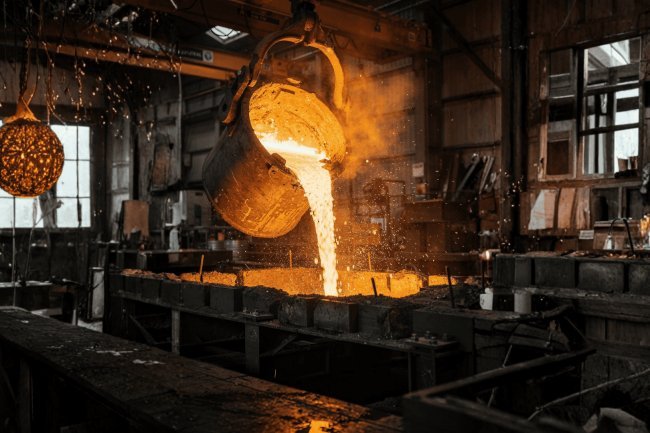
Up to 25% of sand can be lost per cycle, creating both raw-material replacement costs and growing landfill liability.
In traditional foundries, energy waste, emissions, and sand loss reinforce one another, creating a compounding cycle of inefficiency that cannot be solved without targeted intervention.
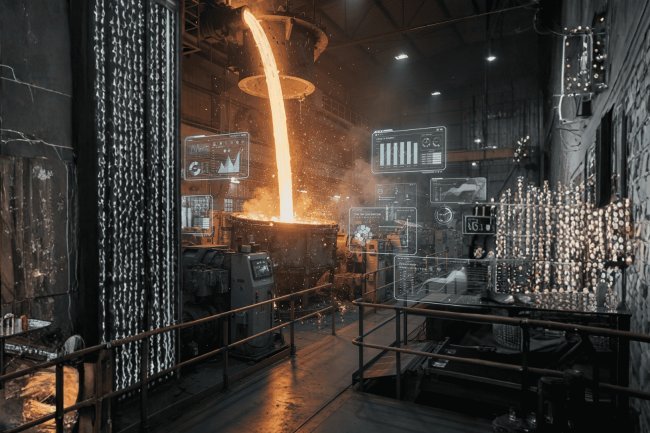
Foundries track energy per ton, sand additions, water usage, rejection rates, and emissions. Digital dashboards and sensor networks enable shift-level monitoring and rapid corrective action.
Mechanical sand reclamation reduces new sand additions by up to 50%, cutting procurement and disposal costs. Yield optimization in iron casting can achieve 75% saleable product, turning efficiency into direct profit.
Tracked across inputs, processes, and outputs.
Achieved via mechanical reclamation systems.
Best-in-class target for cast iron operations.
Sensor networks enable shift-level KPI tracking.
Measuring What Matters
What Gets Measured Gets Managed
Breakthrough Gains in Sand & Metal
Key Performance Highlights
18+ KPIs
50% Sand Reduction
75% Metal Yield
Real-Time Data
Automated sand mixing and cleaner production methods increased output by 5 to 7 times without a proportional increase in energy or material use.
Spent foundry sand can improve arid or degraded land by adding moisture-retention properties, turning disposal waste into a community soil amendment.
Waste streams can be routed into agriculture, road aggregate, or heat recovery, creating new value from materials once treated as liabilities.
Community-benefit programs can improve local trust, support regulatory relief or offset credit eligibility, and position the foundry as a positive regional partner.
Environmental stewardship and commercial performance are not opposing goals; when the system is designed correctly, they reinforce one another.
Foundry production generates waste streams, those streams are collected and routed to partners, and the returned value comes back as cost offsets, community benefit, and greater resilience.
Transforming Waste into Competitive Advantage
Midland Metals
Green Belt Development
Circular Supply Chain
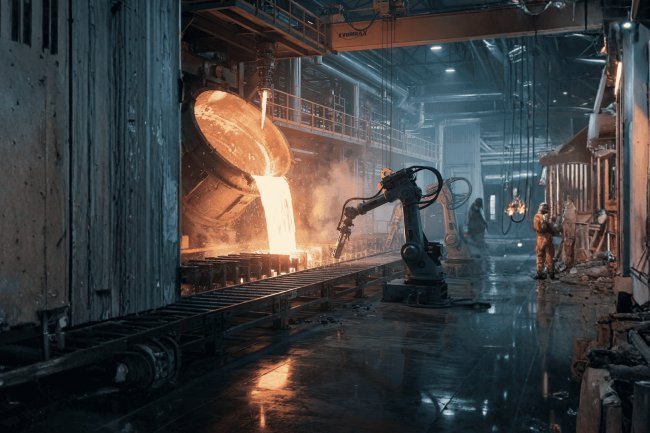
Induction furnace upgrades, heat recovery, and intelligent charge management can cut energy bills by 20–30% while improving melt consistency and alloy quality.
Bag filtration, closed-loop water systems, and low-emission binders lower compliance risk and preserve access to premium export markets.
The most advanced foundries aim to create more environmental and social value than they consume through jobs, soil remediation, circular flows, and community infrastructure.
Audit furnace efficiency and sand reclamation now; the technology to reduce material waste by 25% and unlock major energy savings already exists, and delay only compounds the cost.
The Future Is Sustainable
Energy Efficiency
Emission Reductions
Net-Positive Manufacturing
What's Your Reaction?