Digital Pattern & Mold Making: 3D Printing, Simulation, and Hybrid Processes
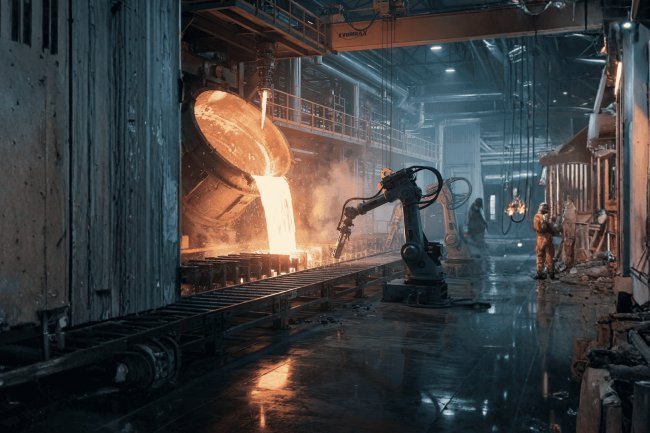
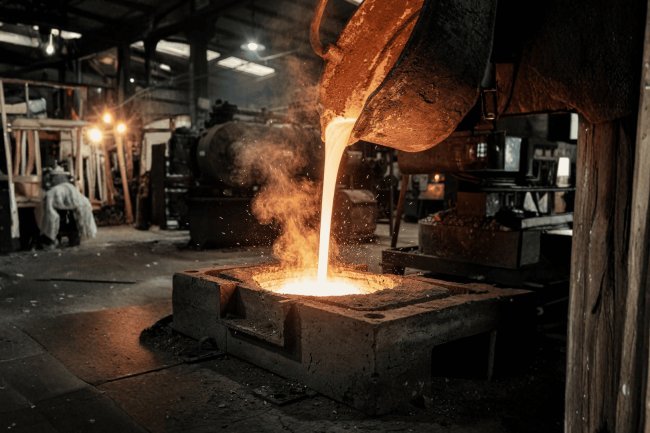
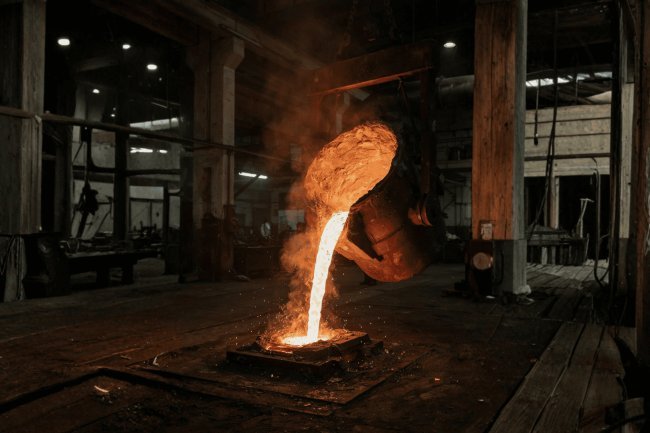
The foundry industry is undergoing a profound transformation. At PoligonCast, we explore how digital pattern and mold making — powered by 3D printing, casting simulation, and hybrid manufacturing — is redefining precision, speed, and quality in modern metal casting.
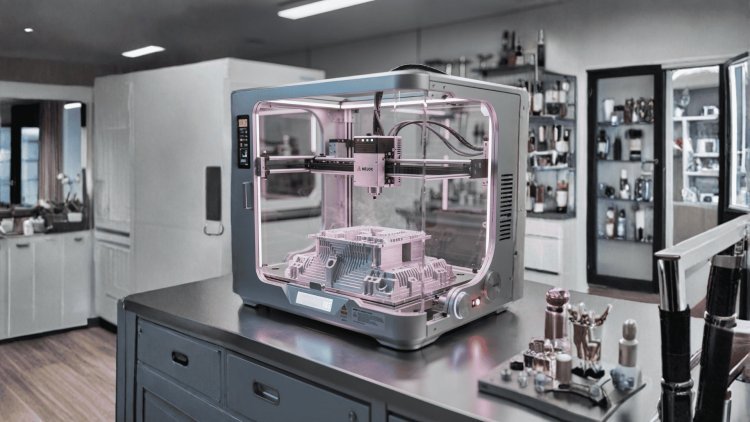
From Traditional to Digital
Conventional Pattern Making
Relied on skilled craftsmen, wood, and metal — a time‑intensive process prone to human error and limited geometric complexity.
CAD‑Driven Manufacturing
CAD models drive CNC machining and 3D printing directly, compressing lead times from weeks to days while enabling geometries previously impossible to produce manually.
Binder jetting technology prints sand molds directly from CAD — no pattern required, enabling rapid prototyping of complex cores and cavities.
SLA and FDM‑printed patterns replace wooden tooling for short‑run production, dramatically reducing tooling cost and iteration time.
DMLS and SLM technologies produce near‑net‑shape metal mold inserts with conformal cooling channels for superior thermal management.
Pattern & Mold Making
Sand Mold Printing
Polymer Patterns
Direct Metal Printing
Simulation eliminates costly trial‑and‑error. By predicting shrinkage porosity, cold shuts, and misruns before the first pour, PoligonCast helps foundries achieve first‑time‑right castings — saving material, energy, and time.
Simulation‑driven design can reduce casting defects by up to 60% and cut development cycles significantly.
Move from guesswork to validated production confidence with PoligonCast’s predictive simulation approach.
Predict Before You Pour
Why Simulate?
Simulation‑Driven Design
First‑Time‑Right Confidence
Complex internal geometries are printed while outer mold sections use conventional tooling — balancing cost and complexity.
Rough forms are machined conventionally, then fine features are added via additive manufacturing — maximizing accuracy and throughput.
Each hybrid cycle is validated digitally before physical production, ensuring continuous improvement with minimal scrap.
Best of Both Worlds
3D Printed Cores + Traditional Molds
CNC + Additive Hybrid Tooling
Simulation-Guided Iteration
Digital tooling vs. conventional pattern making.
Through simulation‑driven mold design.
Complex internal channels and undercuts now achievable.
Castings validated digitally before any metal is poured.
Key Benefits for Modern Foundries
Lead Time Reduction
Defect Reduction
Geometric Freedom
First‑Time‑Right
Digital pattern and mold making is not a distant future — it is the competitive standard today. By integrating 3D printing, advanced simulation, and hybrid manufacturing, PoligonCast empowers foundries to produce better castings, faster and smarter.
Predict and eliminate defects before production begins.
Rapid, accurate patterns and molds via 3D printing.
Tailored solutions combining digital and traditional methods.
Engineering the Future of Casting
Advanced Simulation
Digital Tooling
Hybrid Expertise
What's Your Reaction?