Integrating ERP, MES, and Simulation Platforms in Foundries
In today's competitive manufacturing landscape, foundries must go beyond traditional operations. Integrating ERP, MES, and simulation platforms creates a unified digital backbone — enabling smarter decisions, reduced waste, and faster time-to-market.
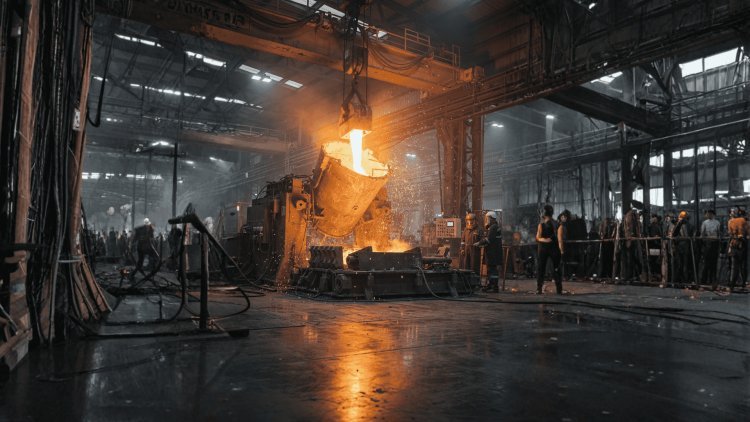
Why Integration Matters
Integration creates a continuous flow of information between planning systems, shop-floor operations, and simulation platforms, ensuring every decision is based on current and consistent data.
Operational Silos
Disconnected systems create data mismatches, delayed communication, manual handoffs, inconsistent reporting, and unnecessary rework across production and engineering teams.
One Connected Ecosystem for Better Casting Decisions
Integration bridges the gap between financial planning, production execution, quality management, and casting simulation. By creating a unified digital ecosystem, foundries gain real-time visibility, reduce costly rework, accelerate decision-making, and establish a reliable foundation for Industry 4.0 transformation.
Manages procurement, finance, scheduling, inventory, and supply chain operations—the business intelligence hub of the foundry.
Tracks real-time shop-floor operations including work orders, machine status, quality control, production progress, and operator performance.
Predicts mold filling, solidification, porosity, and thermal behavior to reduce physical trials and optimize casting processes.
The Three Pillars
Connected Digital Foundry
ERP
MES
Simulation
Production orders, demand forecasts, inventory status, and business priorities are translated into executable manufacturing plans.
Shop-floor operations are monitored continuously, capturing actual production performance, quality results, and process conditions.
This closed-loop architecture ensures simulation insights directly influence production decisions, while real-world MES data continuously validates and refines ERP planning assumptions and simulation models. Every production cycle improves future planning accuracy, process control, and casting quality.
By integrating ERP, MES, and casting simulation into a single information ecosystem, foundries gain real-time visibility, stronger traceability, faster decision-making, and continuous optimization. The result is higher-quality castings, lower operational risk, and a more agile manufacturing organization.
How Integration Works in Practice
Planning & Scheduling
Real-Time Execution
Data Flows Forward. Intelligence Flows Back.
One Connected System for Smarter Manufacturing
Key Benefits for Foundries
Establish common data structures, naming conventions, and information models across ERP, MES, and simulation systems before integration begins.
Implement robust middleware and open API frameworks to support secure, reliable, and real-time communication between platforms.
Build a consistent data foundation before connecting systems.
Use APIs and middleware to create seamless information exchange.
Ensure teams embrace digital workflows through training and leadership support.
Integration projects succeed when organizations address technical architecture, information consistency, and workforce adoption simultaneously. By standardizing data, enabling real-time connectivity, and empowering teams through change management, foundries can create a unified digital ecosystem that delivers measurable gains in quality, productivity, traceability, and operational agility.
Implementation Challenges & Best Practices
Data Standardization
API & Middleware
Standardize
Integrate
Adopt
Technology, Data & People Must Evolve Together
The Future of Digital Foundry Operations
What's Your Reaction?