Simulation Strategies for Thin-Wall Aluminum Castings
As industries push for lighter, stronger components, thin-wall aluminum castings have become critical in automotive, aerospace, and electronics manufacturing. Advanced simulation strategies now empower foundries to predict defects, optimize designs, and reduce costly trial-and-error — before a single mold is poured.
Why Thin-Wall Castings Demand Simulation
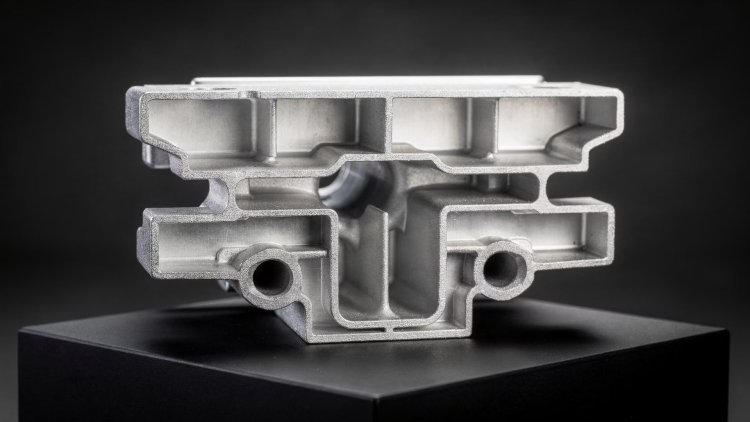
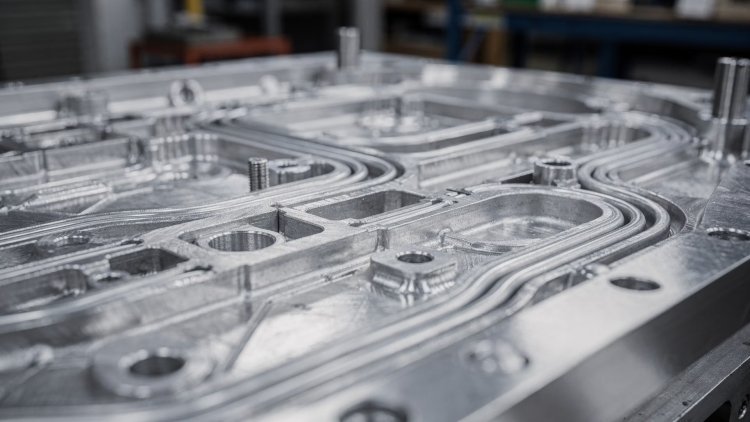
Thin-wall aluminum castings — typically under 3mm — present unique manufacturing challenges including rapid solidification, premature freezing, and high susceptibility to porosity and misruns. Advanced simulation enables engineers to visualize and solve these issues before production begins.
Rapid Solidification
Metal freezes before filling the cavity completely, increasing the likelihood of incomplete fills and casting defects.
Porosity Risk
Trapped gas and shrinkage can create internal voids that weaken structural performance and reduce component reliability.
Thermal Stress
Uneven cooling creates residual stress, leading to warping, distortion, and dimensional inaccuracies in finished parts.
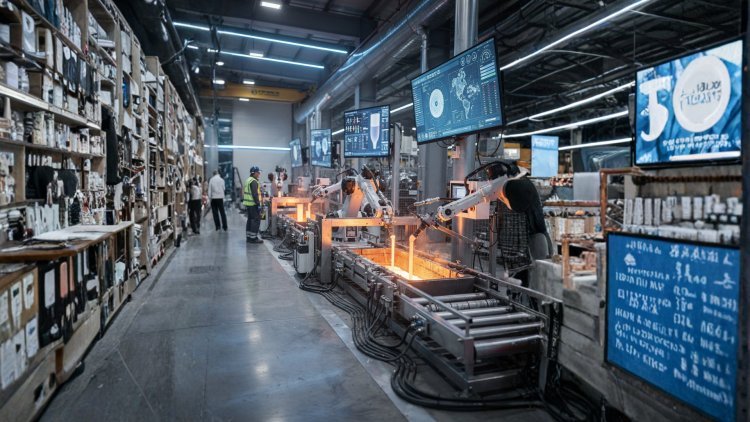
Together, these simulation strategies create a comprehensive digital workflow that reduces defects, shortens development cycles, and improves casting performance before production begins.
Core Simulation Strategies
Simulation-Driven Optimization
A structured simulation workflow ensures every variable — from alloy properties to die temperature — is accounted for, dramatically reducing first-article failures and accelerating time-to-production for thin-wall components.
The Simulation Workflow
CAD Import
Parameter Setup
Run & Analyze
Optimize & Validate
Engineering Every Variable
Controls fill rate to prevent turbulence and cold shuts in narrow sections.
Optimized to maintain fluidity without excessive oxidation or gas absorption.
Balanced cooling prevents hot tears and ensures consistent wall thickness.
Fine-tuning these process variables through simulation enables engineers to achieve defect-free filling, controlled solidification, and superior dimensional accuracy in thin-wall aluminum castings.
Key Parameters to Optimize
Injection Speed
Melt Temperature
Die Cooling Rate
Precision Through Optimization
Foundries leveraging advanced simulation for thin-wall aluminum castings consistently report measurable improvements across quality, cost, and speed metrics.
Simulation-driven engineering improves casting quality, reduces development costs, minimizes scrap, and accelerates production readiness — creating a measurable competitive advantage for modern foundries.
Simulation-Driven Results
Measurable Manufacturing Impact
Filling, solidification, thermal, and stress analysis under one roof.
Deep domain knowledge across aluminum alloys and die casting processes.
Bridging virtual simulation with real-world production outcomes.
PoligonCast: Engineering
Precision Through SimulationAdvanced Simulation
Foundry Expertise
Digital Manufacturing
What's Your Reaction?