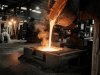
Digital Validation Process
What Is Virtual Casting Qualification?

VCQ
Qualification Before Production
Validate Casting Performance in a Virtual Environment
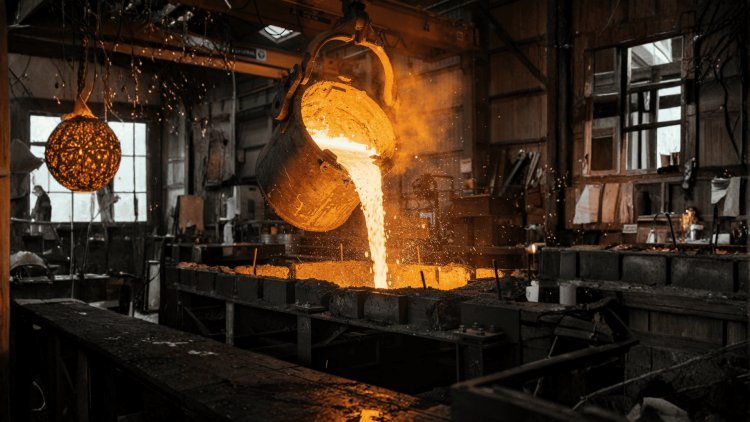
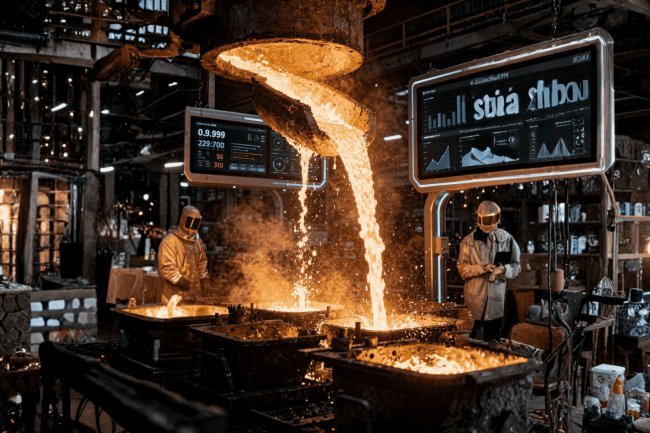
Virtual casting qualification uses advanced simulation software to digitally validate casting designs by analyzing fill behavior, solidification patterns, shrinkage formation, and defect risk before physical production begins. This approach replaces uncertainty with engineering confidence.
01
Flow Validation
Fill Behavior Analysis
Evaluate metal flow paths, turbulence, air entrapment, misruns, and mold filling performance before tooling is built.
02
Solidification Validation
Shrinkage & Defect Prediction
Predict shrinkage, porosity, hot spots, and feeding performance to eliminate defects before the first pour.
03
NPD Integration
Data-Driven Qualification
Seamlessly integrate simulation into new product development workflows, replacing trial-and-error with validated engineering decisions.
NPD
Development Advantage
Replace Trial-and-Error with Predictive Engineering
By qualifying castings virtually, manufacturers reduce risk, shorten development cycles, minimize tooling revisions, and move into production with confidence that performance has already been validated digitally.
Product Development
Why It Matters in New Product Development
1
Faster Time-to-Market
Eliminate multiple physical prototyping cycles and compress development timelines significantly.
2
Reduced Scrap & Rework
Predict and resolve defects like porosity, cold shuts, and misruns before tooling is committed.
3
Lower Development Cost
Avoid expensive mold modifications by catching design flaws in the virtual environment first.
Simulation-Driven Validation
The Virtual Qualification Process
VQ
Production Readiness
From Digital Model to Qualified Casting
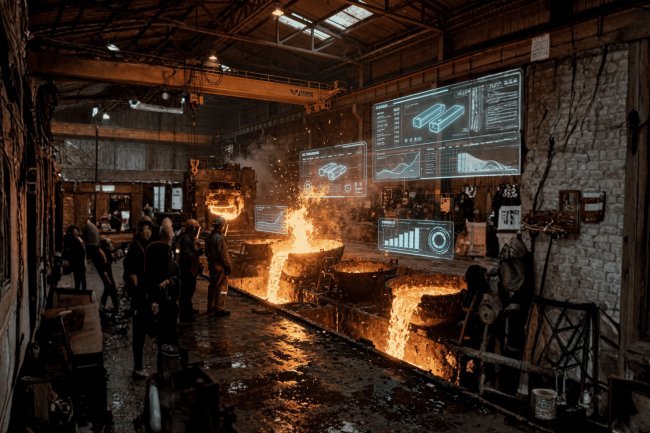
PoligonCast follows a rigorous simulation-driven methodology—from importing CAD geometry and defining alloy properties, through thermal and fluid analysis, to delivering a fully qualified casting design ready for production.
01
Input Definition
Geometry & Material
Import CAD geometry, define alloy properties, process conditions, and production requirements for simulation setup.
02
Process Validation
Fill & Solidification
Simulate mold filling, heat transfer, feeding behavior, and solidification to identify quality risks before casting.
03
Engineering Review
Defect Analysis
Evaluate porosity, shrinkage, hot spots, misruns, and thermal stresses to eliminate defects virtually.
04
Final Approval
Final Sign-Off
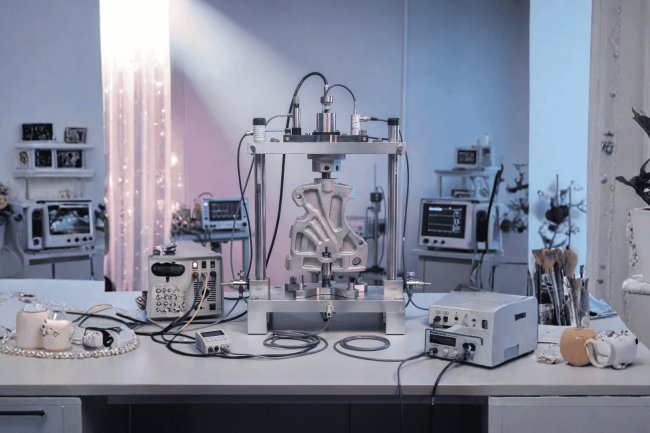
Deliver a qualified, production-ready casting design validated through simulation and engineering review.
NPD
Digital Qualification Outcome
Faster Qualification with Greater Production Confidence
By validating castings digitally before production, manufacturers reduce tooling revisions, accelerate NPD timelines, minimize risk, and ensure the first physical casting closely matches the qualified virtual design.
Simulation Capabilities
Key Simulation Capabilities
1
Mold Filling Analysis
Simulate metal flow to detect turbulence, air entrapment, and incomplete fill patterns.
2
Solidification Modeling
Map thermal gradients and predict shrinkage porosity with high accuracy.
3
Stress & Distortion
Evaluate residual stresses and dimensional distortion to ensure structural integrity.
4
Gating & Riser Design
Optimize feeding systems to maximize yield and minimize material waste.
Why PoligonCast
PoligonCast's Competitive Edge
EDGE
Engineering + Simulation
Turning Virtual Qualification into Manufacturing Success
PoligonCast combines deep foundry engineering expertise with advanced simulation technology to deliver qualification reports that are actionable, accurate, and production-ready. Our goal is not just simulation accuracy—but real-world casting performance.
01
Simulation Expertise
Production-Ready Validation
Advanced simulation platforms generate actionable qualification reports focused on manufacturability, yield improvement, and defect prevention.
02
Collaborative Development
Direct NPD Team Support
Our engineers work closely with client product-development teams to ensure simulation findings translate directly into successful casting outcomes.
03
Proven Results
Faster Prototype Approval
Clients report up to 60% fewer prototype iterations through virtual qualification, reducing development time and accelerating production readiness.
60%
Measurable Impact
Fewer Iterations. Higher Confidence. Faster Launches.
By combining foundry experience, simulation expertise, and collaborative engineering, PoligonCast helps manufacturers dramatically reduce prototype iterations, validate designs faster, and achieve a smoother transition from concept to production.
Virtual Qualification
Qualify Smarter. Launch Faster.
Virtual casting qualification is no longer optional — it is the foundation of competitive new product development in modern foundry engineering.
Partner with PoligonCast
Leverage our simulation expertise to bring defect-free castings to market with speed and confidence.
From Design to Production
End-to-end virtual qualification support — from initial geometry review through final casting sign-off.