Digital Process Validation for Aerospace Foundries
From Inspection to Assurance — A framework for eliminating defect escape through rigorous digital process control.
The Hidden Cost of Non-Validation
Special Processes
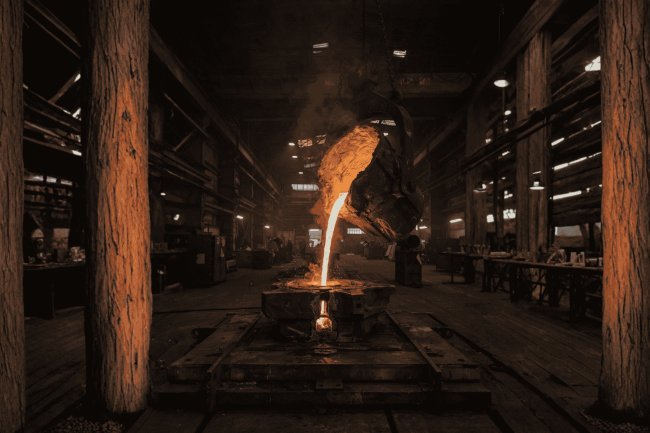
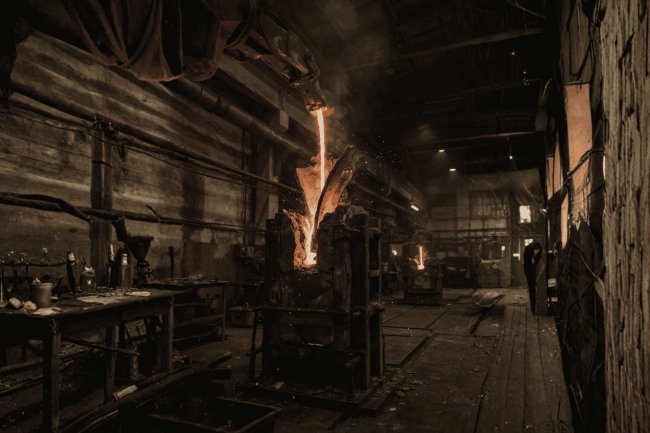
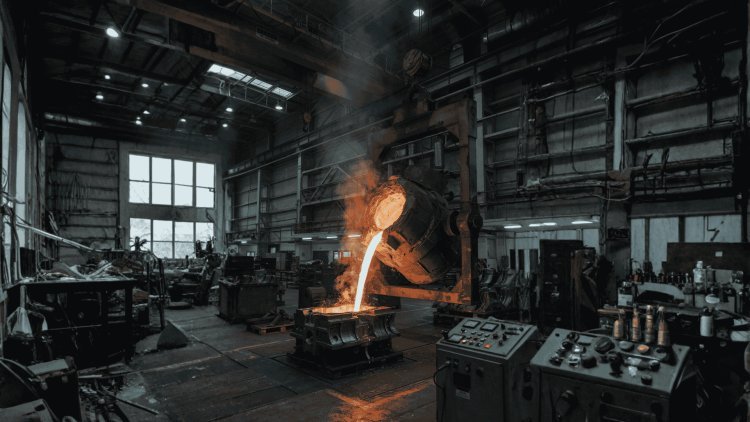
Casting, welding, and heat treatment create quality characteristics that cannot be fully verified after completion.
Process Control
Quality must be built into the process through validation, monitoring, and disciplined execution.
What Happens When Validation Is Missing?
Validation-Centered Manufacturing
Quality Cannot Be Inspected Into a Special Process
The true cost of non-validation is rarely visible during production. It appears later—in scrap, rework, delivery delays, warranty exposure, certification risk, and potential in-service failures. AS9100 Rev D reinforces a fundamental aerospace principle: robust process validation is the only reliable way to ensure that special processes consistently produce safe, conforming, and flight-ready products.
Destructive testing and statistical process monitoring verify that the same settings reliably produce acceptable parts.
Operator qualification, equipment performance, and environmental stability must remain tightly controlled across the foundry floor.
Periodic re-validation keeps the process in control after repairs, equipment changes, or facility moves.
Validating the Process, Not Just the Part
Validation Core
Critical Variables
Feedback Loop
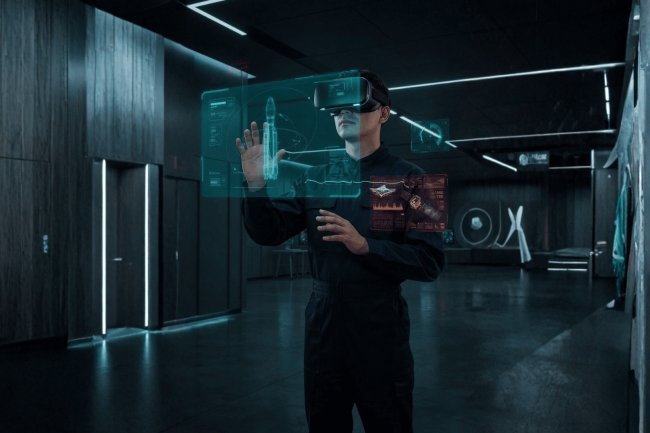
Laser scanning builds precise digital twins for dimensional verification and quality testing, capturing deviations invisible to manual inspection.
NC programs, manufacturing plans, and measurement reports are revision-controlled and fully traceable throughout the product lifecycle.
Product Acceptance Software continuously confirms software reliability during monitoring and measurement — eliminating manual oversight gaps.
The Modern Foundry's Advantage
3D Scanning & Digital Twins
Configuration Management
Automated Surveillance
A structured framework ensuring quality is maintained from concept through full-rate production.
Establishes that a process, material system, and design concept are technically capable of meeting quality and performance requirements.
Uses inspections, testing, validation data, and process evidence to confirm that actual outputs meet defined specifications.
Applies monitoring, audits, calibration, operator qualification, and process control plans to maintain long-term consistency.
The modern aerospace approach recognizes that quality cannot be guaranteed through a single qualification exercise. Design qualification, verification, and production control must operate together as a continuous framework, ensuring long-term process robustness, minimizing escape risks, and maintaining confidence that every product remains conforming throughout its operational lifecycle.
Lifecycle Control: The New Standard
Validation Is a Continuous Process
CYCLEValidation Layers
A Living Validation Discipline
Validation Is Not an Event — It Is a Lifecycle Strategy
Build a Quality by Design culture by treating validation as a continuous, data-backed journey rather than a one-time audit checkbox.
Foundries that digitize and validate today reduce rework, improve on-time delivery, and strengthen their role as trusted aerospace supply chain partners.
Audit your special processes today and bridge the gap between reactive inspection and end-to-end process assurance.
The Path to Zero-Defect Manufacturing
Proactive Strategy
Competitive Edge
Call to Action
What's Your Reaction?