Decarbonizing Foundry Operations Through Digital Engineering
A strategic roadmap for transforming the world's most energy-intensive manufacturing sector through simulation, AI, and integrated digital tools — turning climate liability into competitive advantage.
The Hidden Climate Burden
From Energy Input to Climate Impact
High-Temperature Manufacturing
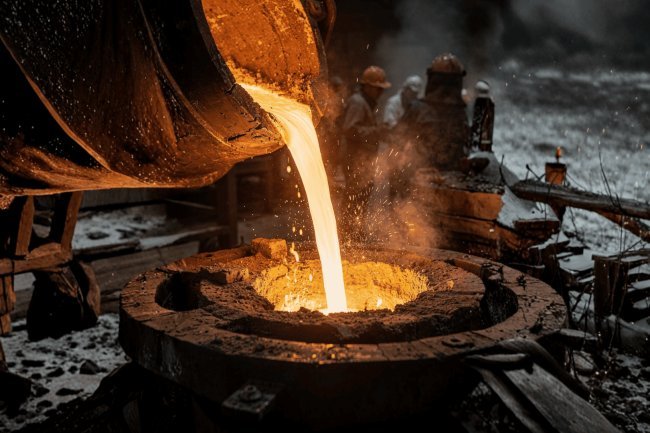
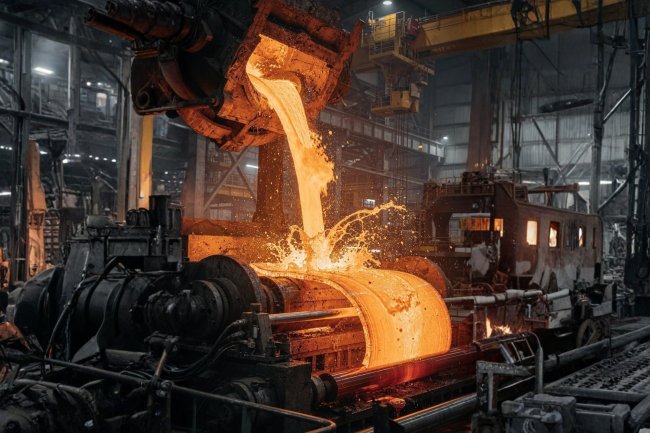
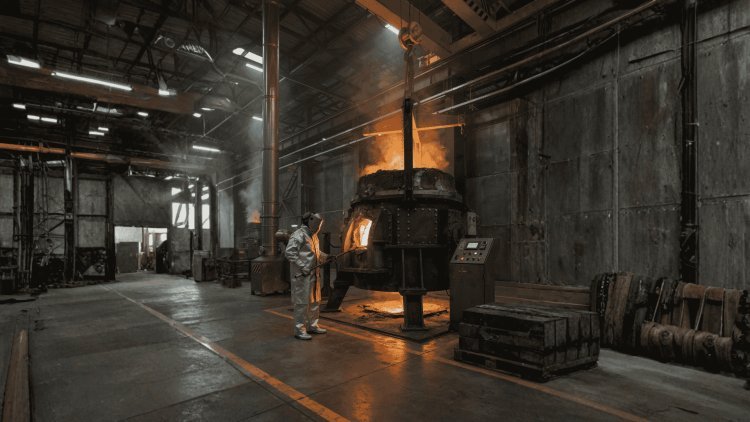
Electric arc furnaces, induction systems, and cupola furnaces operate continuously under energy-intensive conditions. The thermal requirements of metal production create a significant environmental footprint and expose foundries to rising energy costs.
Profitability Meets Regulation
Increasing energy costs and decarbonization targets mean that environmental performance is now directly tied to financial performance. Carbon reduction is rapidly becoming a market access requirement rather than a voluntary initiative.
Where the Pressure Is Coming From
Decarbonize or Lose Competitiveness
Governments are tightening emissions requirements while customers increasingly evaluate suppliers based on environmental performance. The foundries that successfully align energy efficiency, digital monitoring, and decarbonization strategies will be best positioned to retain contracts and protect margins.
Without a Digital Strategy,
Decarbonization Becomes Nearly Impossible
Energy visibility, process optimization, predictive analytics, and sustainability reporting are becoming essential capabilities for modern foundries. The path to lower emissions and long-term competitiveness increasingly begins with digital transformation.
Charge preparation, melting, holding, pouring, solidification, and finishing often operate as disconnected processes without a shared data layer.
Annual footprint audits cannot reveal which processes, shifts, or alloys drive emissions, leaving actionable reduction opportunities hidden.
Fixed melting schedules lack the forecasting and dispatch logic needed to shift energy-intensive loads toward periods of cleaner, lower-cost electricity.
Without connected controls, operators rely on local experience instead of system-wide optimization, leaving energy, quality, and coordination gains unrealized.
Every year without digital transformation compounds regulatory exposure, energy inefficiency, and competitive disadvantage as customers demand more transparent and responsive operations.
Bridging the legacy gap requires a connected data layer, high-resolution emissions monitoring, and predictive energy management that can coordinate production with renewable availability.
The Legacy Gap
Siloed Production Steps
Static Carbon Accounting
Renewable Incompatibility
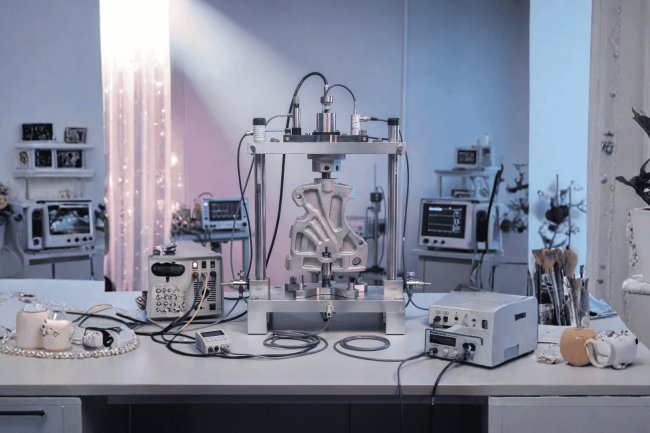
Continuously updated virtual replicas of furnaces, molds, and cooling systems synchronize with live sensor data. They simulate scenarios, track energy use, and align melting campaigns with renewable energy availability.
ICME links materials science with process simulation, enabling alloy redesign and optimized thermal routes. It reduces physical trials, supports recycled inputs, and minimizes machining waste through near-net-shape casting.
Predictive models optimize melt temperature, forecast scrap rates, and enable proactive maintenance. AI-driven control reduces energy consumption by 8–15% while improving metallurgical consistency in real time.
Foundry Decarbonization Through Digital Tools
Digital Twins
Integrated Computational Materials Engineering (ICME)
AI & Machine Learning
Digital decarbonization is no longer experimental. Foundries implementing digital twins, intelligent energy management, advanced controls, and simulation-led optimization are delivering measurable improvements in efficiency, emissions reduction, and operating costs today.
Green Demo Foundry 4.0 programs and simulation-led transformation projects across Europe, North America, and Asia demonstrate that digital decarbonization delivers measurable operational results. These deployments combine digital twins, furnace optimization, predictive analytics, renewable integration, and intelligent scheduling to create persistent performance improvements rather than short-term gains.
Advanced furnace controls, digital twin optimization, renewable energy integration, and process synchronization have enabled participating facilities to reduce specific energy consumption by approximately 30%. Unlike conventional energy projects, digital systems continuously optimize operations and adapt to changing conditions in real time.
AI-enabled scheduling aligns melting campaigns with favorable electricity tariffs and periods of higher renewable power availability. This minimizes procurement costs while maintaining throughput and production reliability.
Thermal simulations identify high-value heat recovery opportunities from furnace exhaust systems, casting cooling operations, and process circuits. Smart controls maximize recovery while preserving metallurgical integrity and production quality.
Digital engineering provides the simulation environment required to evaluate hydrogen combustion, thermal transfer performance, flame stability, and material compatibility. Pilot implementations demonstrate measurable CO₂ reductions while maintaining safe and stable furnace operation.
The evidence from Green Demo Foundry 4.0 initiatives and simulation-driven transformation programs is clear: digital technologies can simultaneously reduce emissions, lower operating costs, improve energy productivity, and strengthen competitiveness. The leading foundries of the next decade will not be defined solely by casting quality, but by how intelligently they manage energy, carbon, and resources across the entire production system.
Engineering Real-World Results
Foundry 4.0Validated Across Real Facilities
30% Energy Efficiency Improvement
Dynamic Energy Management
Intelligent Cost Optimization Workflow
Advanced Decarbonization Enablers
Waste Heat Utilization
Hydrogen Integration
Digital Transformation Journey
The Business Case Has Already Been Proven
Early movers lock in efficiency gains, regulatory goodwill, operational data, and access to the talent and capital flowing toward sustainable industrial platforms.
AI optimization, ICME, digital twins, recycled materials, and clean energy can form a self-reinforcing system that continuously improves sustainability.
Digitally connected, materials-intelligent, and energy-flexible foundries can produce the low-carbon components required for wind, electric mobility, and the wider energy transition.
Recycled and secondary materials reduce embodied carbon, while charge modeling and real-time quality control maintain alloy performance and metallurgical reliability.
Deploy real-time energy monitoring, begin building digital-twin infrastructure, and engage materials and process engineers in simulation-led redesign.
The digitally transformed foundry becomes more than a regulated emitter: it becomes a strategic manufacturer of the advanced, low-carbon components that make a net-zero economy possible.
The Path to a Carbon-Neutral Future
Competitive Necessity
Circular Technology
Sustainable Growth
What's Your Reaction?