Thermal Gradient Control in High-Integrity Cast Components
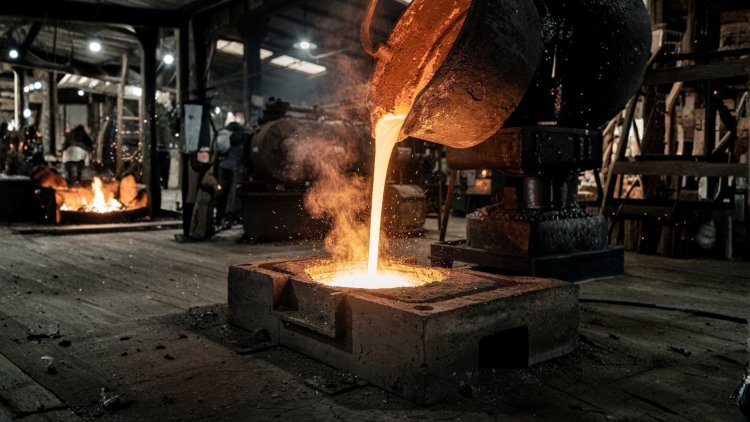
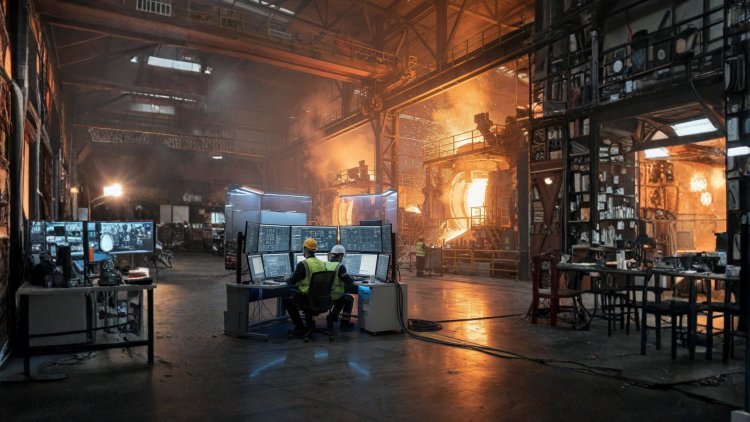
In modern foundry engineering, mastering thermal gradients is the difference between a flawless casting and a costly defect. For high-integrity components, precise control of heat flow during solidification is not optional — it is foundational.
Why Thermal Gradients Matter
Thermal Gradient
A thermal gradient is the rate of temperature change across a casting's cross-section during solidification. Controlling this temperature transition is essential for achieving sound castings, predictable microstructures, and consistent mechanical performance.
Aerospace, automotive, and energy castings require strict thermal control to achieve defect-free performance.
Shrinkage & Hot Tears
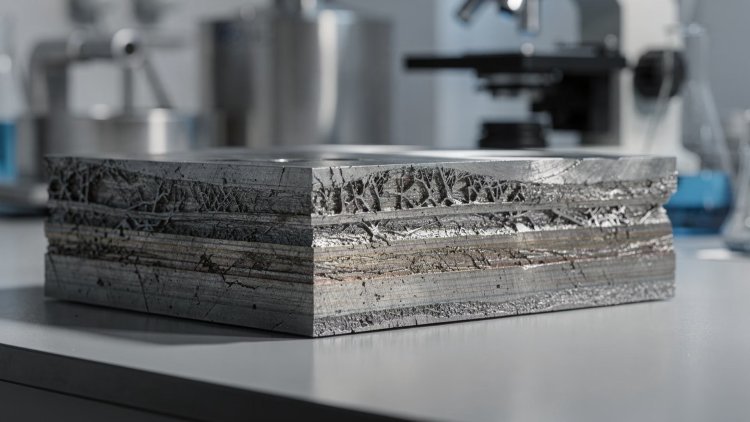
Uneven cooling creates localized contraction that leads to porosity and cracking.
Stress & Distortion
Residual stresses accumulate during cooling and can distort critical geometries.
Property Variation
Inconsistent cooling rates create uneven microstructures and mechanical properties.
High-Integrity Castings Demand Precision
In aerospace, automotive, and energy applications, thermal gradient control is not simply a process variable—it is a quality requirement. Managing heat flow correctly is the foundation for producing reliable, defect-free cast components.
The Role of Casting Simulation
Designing molds to promote progressive solidification from thin to thick sections, feeding shrinkage effectively.
Strategically positioned metal chills accelerate local cooling, steering the thermal gradient toward desired outcomes.
Optimized risers maintain liquid metal supply to compensate for volumetric shrinkage during solidification.
Insulating or conductive coatings modify local heat transfer rates, giving engineers fine-grained gradient control.
Combining these strategies enables foundries to control solidification behavior, reduce defects, and achieve consistent casting quality across even the most demanding applications.
Key Control Strategies
Directional Solidification
Chill Placement
Riser & Gating Design
Mold Coatings
Precision Thermal Control
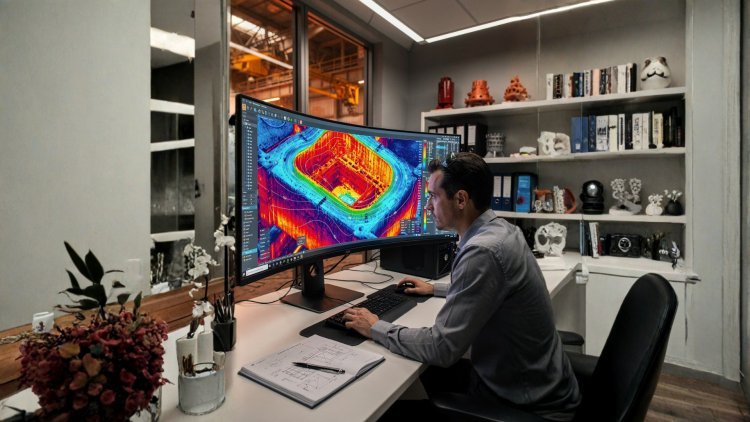
PoligonCast's iterative simulation workflow compresses development cycles and ensures thermal performance is validated digitally before physical production begins.
Pinpoints regions prone to porosity and feeding challenges.
Reveals solidification time distribution throughout the casting.
Identifies areas vulnerable to stress concentration and distortion.
Evaluates whether feeding and cooling strategies perform as intended.
Digital validation reduces physical trials by up to 60%, significantly accelerating time-to-production.
Simulation-Driven Gradient Optimization
Define
GeometryRun Thermal
SimulationGradient
MapAnalyze &
Refine DesignWhat Simulation Reveals
Hot Spot Locations
Solidification Timing
Thermal Stress Zones
Riser & Chill Effectiveness
From aerospace safety-critical components to automotive mass production and energy infrastructure, thermal gradient optimization delivers measurable improvements in casting quality, consistency, and operational reliability.
Industry Applications
One Technology, Multiple Industries
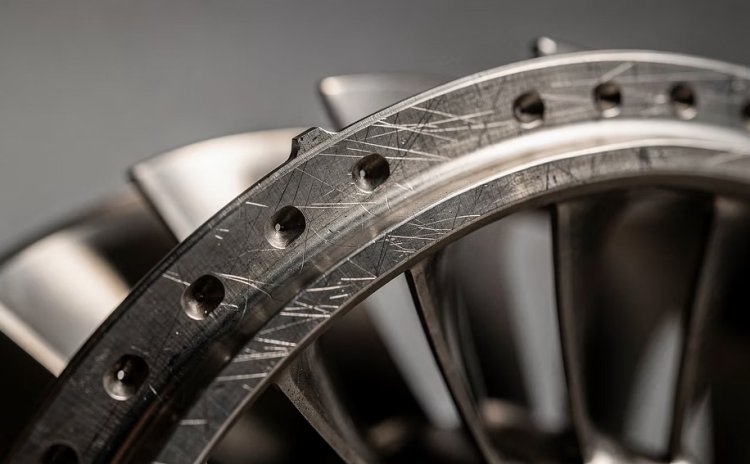
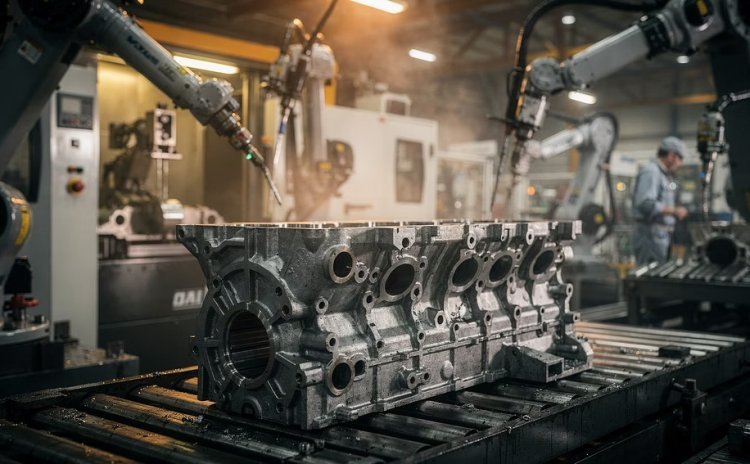
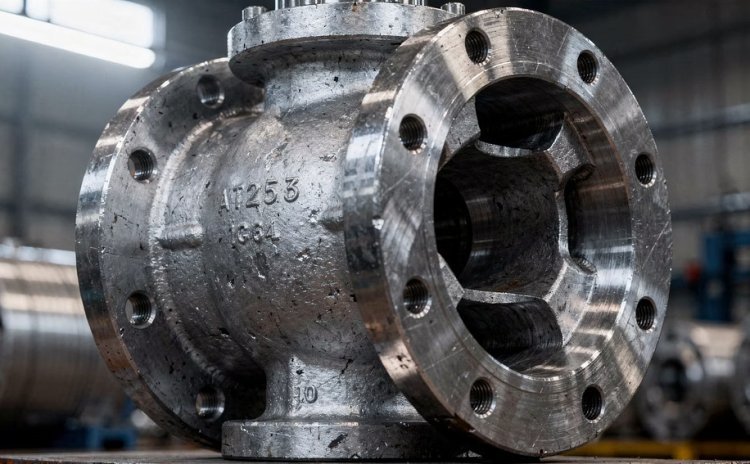
Thermal gradient control is not a post-process correction — it is an upfront engineering discipline. PoligonCast combines deep foundry expertise with cutting-edge simulation to deliver high-integrity cast components that meet the most demanding specifications.
Predict defects before production and optimize casting performance through digital validation.
Decades of casting expertise applied to solve complex manufacturing challenges.
Faster, smarter, defect-free production through integrated digital workflows.
From simulation to production, PoligonCast helps foundries achieve superior casting quality while reducing risk, cost, and development time.
PoligonCast: Engineering
Precision from the First PourAdvanced Simulation
Foundry Engineering
Digital Manufacturing
Precision. Performance. Confidence.
What's Your Reaction?