Simulation-Driven Manufacturing of EV Powertrain Components
As the electric vehicle revolution accelerates, foundries and manufacturers face mounting pressure to deliver complex powertrain components with zero-defect precision. Simulation-driven manufacturing is redefining how these critical parts are designed, cast, and validated — and PoligonCast is at the forefront of this transformation.
Why EV Powertrains Demand a New Approach
Complexity Has Outgrown Traditional Foundry Methods
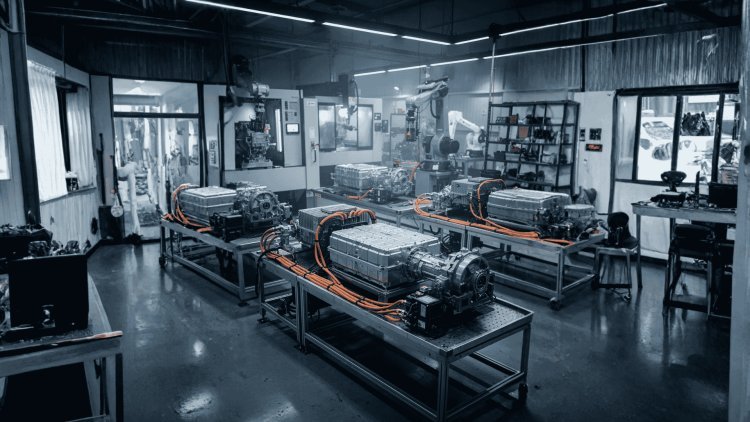
EV powertrain components such as motor housings, battery trays, and inverter enclosures combine demanding structural, thermal, and dimensional requirements in a single casting. These highly engineered parts require faster development cycles and tighter manufacturing control than traditional automotive castings, making trial-and-error approaches increasingly impractical.
Higher performance requirements demand digital engineering workflows.
Tight Tolerances
EV components require dimensional accuracy beyond conventional castings to ensure proper fit, thermal performance, and assembly precision.
Lightweight Mandates
Aluminum and magnesium alloys provide weight reduction benefits but require precise solidification and process control.
Faster Time-to-Market
Manufacturers must compress development cycles dramatically to remain competitive in the rapidly evolving EV market.
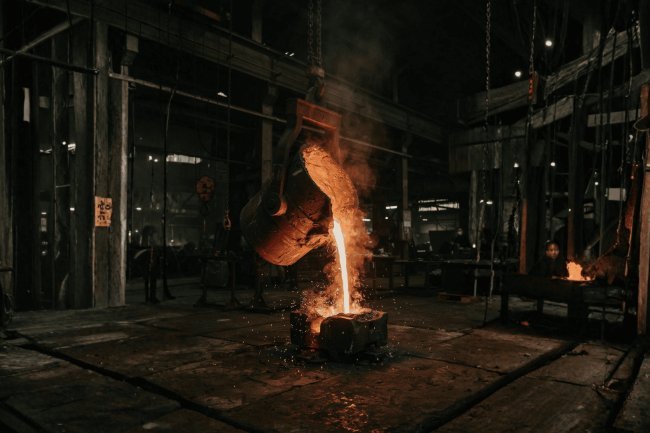
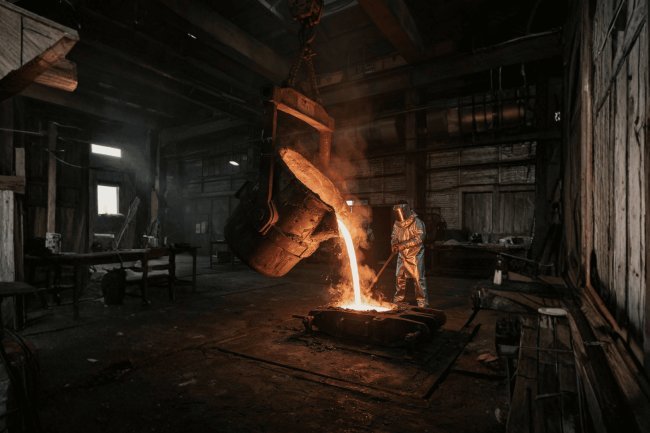
From Traditional Development to Digital Validation
Traditional Foundry Process
Multiple tooling changes, repeated casting trials, and slow engineering feedback loops.
Simulation-Driven Process
Digital validation, predictive defect analysis, and accelerated production readiness.
Simulate First. Manufacture with Confidence.
PoligonCast replaces costly trial-and-error development with predictive engineering. By digitally validating EV powertrain components before production, manufacturers can achieve tighter tolerances, optimize lightweight alloys, reduce development risk, and bring innovative products to market significantly faster.
Define cavity, cores, and gating layout.
Simulate metal flow and air entrapment.
Model cooling, shrinkage, and thermal gradients.
Identify fixes for porosity and hot spots.
The Role of Casting Simulation
Mold Design
Fill Analysis
Solidification Prediction
Defect Elimination
Predicts turbulence, air entrapment, and cold shuts before a single die is cut, ensuring optimal metal flow.
Models solidification rates to eliminate hot spots and shrinkage porosity at the source.
Evaluates residual stresses and dimensional warpage in finished components for precision fit.
Links process parameters to mechanical properties for performance assurance and structural integrity.
Key Simulation Capabilities at PoligonCast
Mold Fill Simulation
Thermal Analysis
Stress & Distortion
Microstructure Prediction
By creating a virtual representation of the casting process, PoligonCast enables manufacturers to evaluate design choices, process settings, material behavior, and quality outcomes before any metal is poured. The result is a smarter development workflow that shortens launch timelines, lowers manufacturing risk, and delivers predictable, first-time-right casting performance for next-generation EV powertrain applications.
Digital Manufacturing & the Virtual Foundry
Every Variable Tested Before Production
TWINMeasurable Manufacturing Benefits
From Foundry Floor to Digital Factory
Simulation eliminates most physical trial runs.
Defect prediction slashes material waste.
Compressed cycles from concept to production-ready casting.
Business Impact for EV Manufacturers
Fewer Tooling Iterations
Scrap Reduction
Faster Development
Simulation-driven manufacturing is no longer optional — it is the engineering standard for competitive EV powertrain production.
PoligonCast combines deep foundry expertise with cutting-edge digital simulation to deliver components that perform, first time, every time.
Industry-leading casting process modeling.
Decades of metallurgical and process expertise.
End-to-end digital manufacturing integration.
Partner with PoligonCast
Advanced Simulation
Foundry Engineering
Digital Solutions
What's Your Reaction?