Cloud Manufacturing in the Foundry Industry
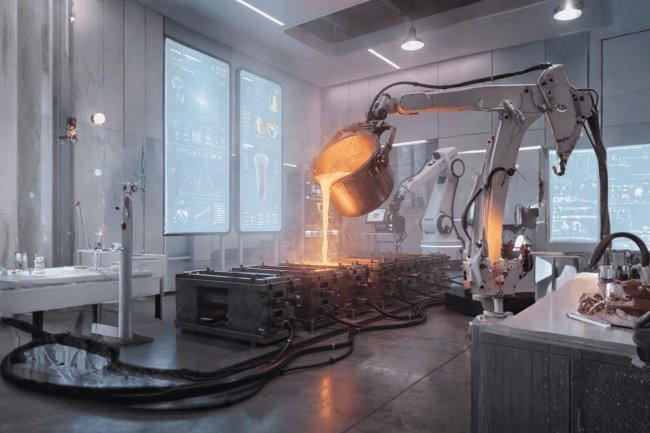
As foundries face mounting pressure to modernize, cloud manufacturing is redefining how casting operations are designed, simulated, and executed. PoligonCast explores how this digital shift is transforming the foundry landscape.
What Is Cloud Manufacturing?
Cloud Simulation
Access advanced casting simulation tools without the limitations of local computing infrastructure.
Connected Data
Consolidate production information, IoT sensor streams, and quality metrics into one accessible platform.
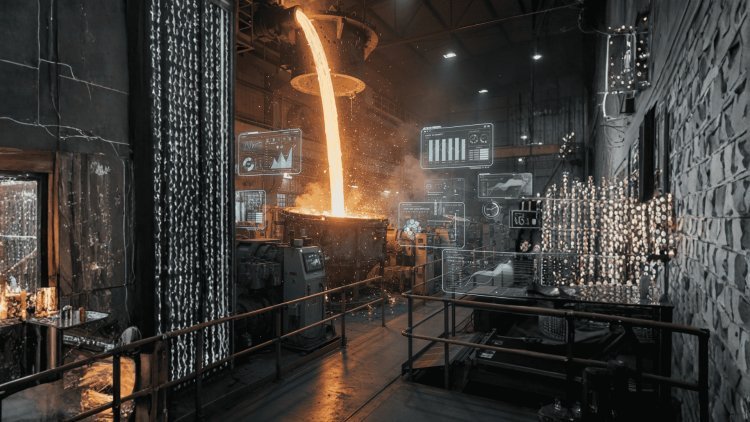
Cloud manufacturing connects shop-floor operations with analytics, engineering tools, and simulation resources, creating a scalable digital backbone for modern foundries.
Faster Decisions, Leaner Operations, Better Outcomes
For foundries, cloud manufacturing means simulation tools, process data, and engineering expertise are available whenever and wherever they are needed. The result is greater collaboration, faster decision-making, improved operational agility, and a scalable foundation for smart manufacturing and continuous improvement.
Run advanced casting simulations in the cloud without investing in expensive on-premise hardware.
Increase or reduce computing power instantly based on project complexity and production demand.
Distributed engineering teams access the same simulation data and models simultaneously from anywhere.
Cloud infrastructure enables foundries to scale simulation workloads, improve collaboration, and accelerate engineering decisions without the limitations of traditional computing environments.
Why It Matters for Foundries
Real-Time Simulation
Scalable Resources
Remote Collaboration
Cloud-Powered Foundry Operations
Provides centralized computing power for simulation, data storage, collaboration, and workflow management—allowing engineering teams to access critical resources from anywhere.
Sensors embedded throughout foundry equipment capture live operational data and feed cloud platforms for monitoring, quality control, and process visibility.
Machine learning analyzes production data to predict defects, optimize process parameters, identify trends, and reduce scrap rates through data-driven recommendations.
Together, these technologies create a continuous feedback loop where operational data becomes actionable intelligence, enabling faster decisions, lower risk, and smarter casting operations.
The convergence of cloud computing, IoT connectivity, AI-driven analytics, and digital twin technology is reshaping foundry operations. These technologies enable manufacturers to predict outcomes, prevent defects, accelerate innovation, and continuously improve quality across the entire casting lifecycle.
Core Technologies Driving the Shift
Cloud Computing
IoT Integration
AI & Analytics
Better Data Creates Better Castings
This cloud-enabled workflow shortens time-to-production, reduces costly physical trials, and ensures every engineering decision is backed by validated casting simulation data within a connected digital environment.
The Cloud-Enabled Casting Workflow
Faster Decisions, Smarter Production
Protect proprietary casting designs, simulation models, production data, and process intellectual property within shared cloud environments.
Connect older foundry equipment, controllers, and existing systems with modern cloud platforms through phased modernization.
Establish strong governance, cybersecurity, and data access controls.
Integrate legacy equipment and digital systems through a phased approach.
Train teams to leverage digital tools and cloud-powered insights effectively.
Foundries that successfully adopt cloud manufacturing focus not only on technology deployment but also on cybersecurity, integration planning, and workforce development. When these elements evolve together, cloud platforms become a powerful foundation for simulation-driven engineering, smart manufacturing, and continuous operational improvement.
Challenges & Considerations
Data Security
Legacy Integration
Secure
Connect
Empower
The Best Digital Strategies Balance Technology, Process & People
The Future of Foundry Is in the Cloud
What's Your Reaction?