Digital Casting Intelligence
What Is a Digital Twin?

DT
A Living Virtual Replica
A digital twin is a virtual replica of a physical process, asset, or system — continuously updated with real-time data from sensors and process controls.
Continuous Casting
Mirroring the Entire Strand
In continuous casting, it mirrors the entire strand — from ladle to mold to solidification — enabling engineers to simulate, predict, and intervene before defects occur.
↔
Bridging Operations and Intelligence
Digital twins bridge the gap between physical operations and data-driven intelligence.
Continuous Casting
Why Continuous Casting Needs Digital Twins
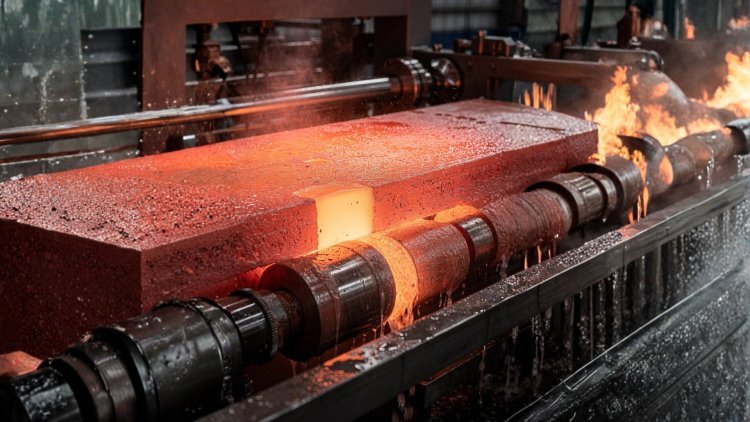
Real-Time Intelligence for a Complex Process
Digital twins help continuous casting teams monitor process complexity, prevent defects, and maintain stable quality across changing production conditions.
01
Process Complexity
Continuous casting involves tightly coupled thermal, mechanical, and metallurgical variables that are difficult to control manually.
02
Defect Prevention
Surface cracks, internal porosity, and breakouts cause costly downtime. Digital twins enable predictive defect detection before defects occur.
03
Quality Consistency
Real-time simulation ensures consistent strand quality across varying steel grades and casting speeds.
Casting Digital Twin
Core Capabilities of a Casting Digital Twin
01
Real-Time
Monitoring
Live sensor integration and tracking.
02
Thermal
Simulation
Solidification and heat-flow modeling.
03
Predictive
Analytics
Forecasting defects and performance.
04
Process
Optimization
Closed-loop control and improvement.
Closed-Loop Intelligence
Track, Analyze, and Improve Every Process Variable
From live sensor integration to solidification modeling, digital twins provide a closed-loop system where every process variable is tracked, analyzed, and fed back into control systems — enabling continuous, data-driven improvement across the entire casting operation.
Foundry Operations
Key Benefits for Foundry Operations
01
Reduced Defect Rates
Early detection of thermal anomalies and mold-level fluctuations minimizes surface and internal defects.
02
Faster Process Tuning
Virtual testing of casting parameters eliminates costly physical trials and accelerates grade changeovers.
03
Higher Yield
Optimized secondary cooling and withdrawal speed directly improve yield and reduce scrap generation.
04
Predictive Maintenance
Continuous equipment monitoring predicts mold wear and roller misalignment before failures occur.
Digital Twin Integration
PoligonCast's Approach to Digital Twin Integration

DT
Plant-Specific Digital Twin Deployment
PoligonCast combines advanced casting simulation with foundry engineering expertise to deploy digital twins tailored to each plant's unique process conditions.
Integration Focus
Built Around Existing Foundry Systems
✓
Deep integration with existing SCADA and sensor networks.
✓
Validated solidification and thermal models.
✓
Operator-friendly dashboards for real-time decision support.
✓
Ongoing model refinement as process conditions evolve.
Digital Future
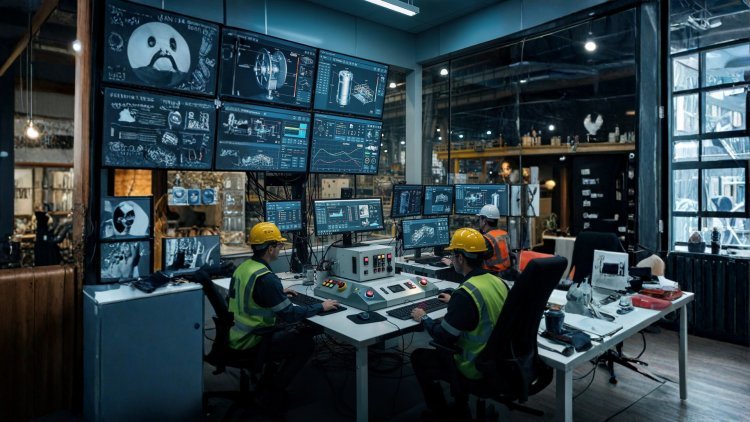
The Future of Casting Is Digital
↗
Simulation-Driven Intelligence Is the New Competitive Edge
Digital twins are no longer a future concept — they are an active competitive advantage in continuous casting today. As steelmakers face increasing pressure to improve quality, reduce waste, and accelerate innovation, simulation-driven intelligence becomes essential.
01
Partner with PoligonCast
Leverage our casting simulation expertise to implement a digital twin strategy tailored to your foundry's goals and production environment.
02
Start Your Digital Journey
From process audit to live deployment, PoligonCast guides every step — ensuring measurable improvement from day one.